Estimated reading time: 7 minutes
Value-adding and embracing the concept of “no waste” is how we’ve always tended to live on the farm. Whether it’s bird-eaten fruit, leftover food, or wood that’s fallen in the garden, wasting as little as possible seems obvious to us (and probably to you, too).
So it’s staggering that, according to the anti-food waste website Foodwise, the average household throws out 20% of the food they buy.
Which makes us wonder – if people had grown that food themselves, would they be so quick to throw it away?
Value-adding to make the most of your fruit
Our mantra is “Use every piece of fruit you grow to its highest potential”. We have a hierarchy to help us work out what to do.
The best quality fruit is eaten fresh, either straight off the tree or stored to be eaten within weeks or months.
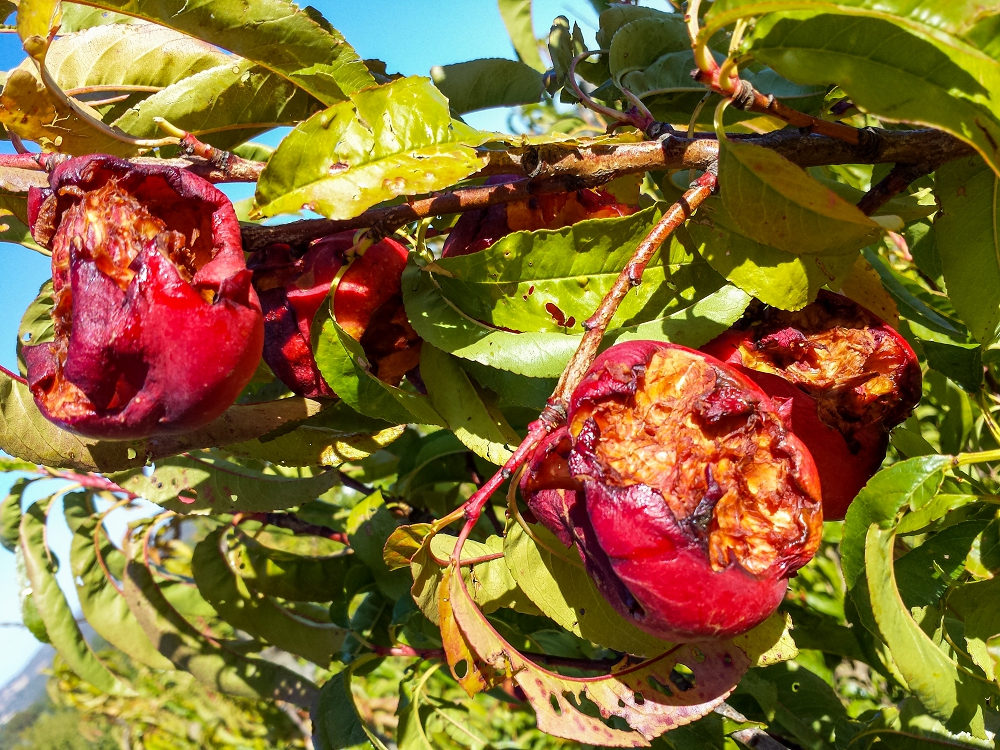
The next grade down isn’t good enough to eat, because it’s been damaged by birds (like these nectarines below) or some other pest or mishap. As long as it’s possible to cut away the damaged parts and salvage some good fruit, these are perfect candidates for preserving.
The scraps from preserving, and fruit that is so damaged that nothing is salvageable, go either to animal feed or into the compost. In many cases, the seeds can also be saved to grow new rootstocks for grafting.
The point is there’s no waste, and everything you grow has a value.
Is garden waste even a thing?
So that’s how we deal with fruit, but what else goes into the bin? According to Foodwise, the average rubbish bin contains a boggling 60% organic material—40% food and 20% garden waste.
And then people go and spend money on compost and fertilisers. It’s the opposite of a closed-loop system.
The idea of garden ‘waste’ seems as strange to us as the idea of food waste. There are so many easy and useful ways to recycle any organic matter your garden produces.
Managing organic “waste”
There are two different streams of organic matter you might need to think about.
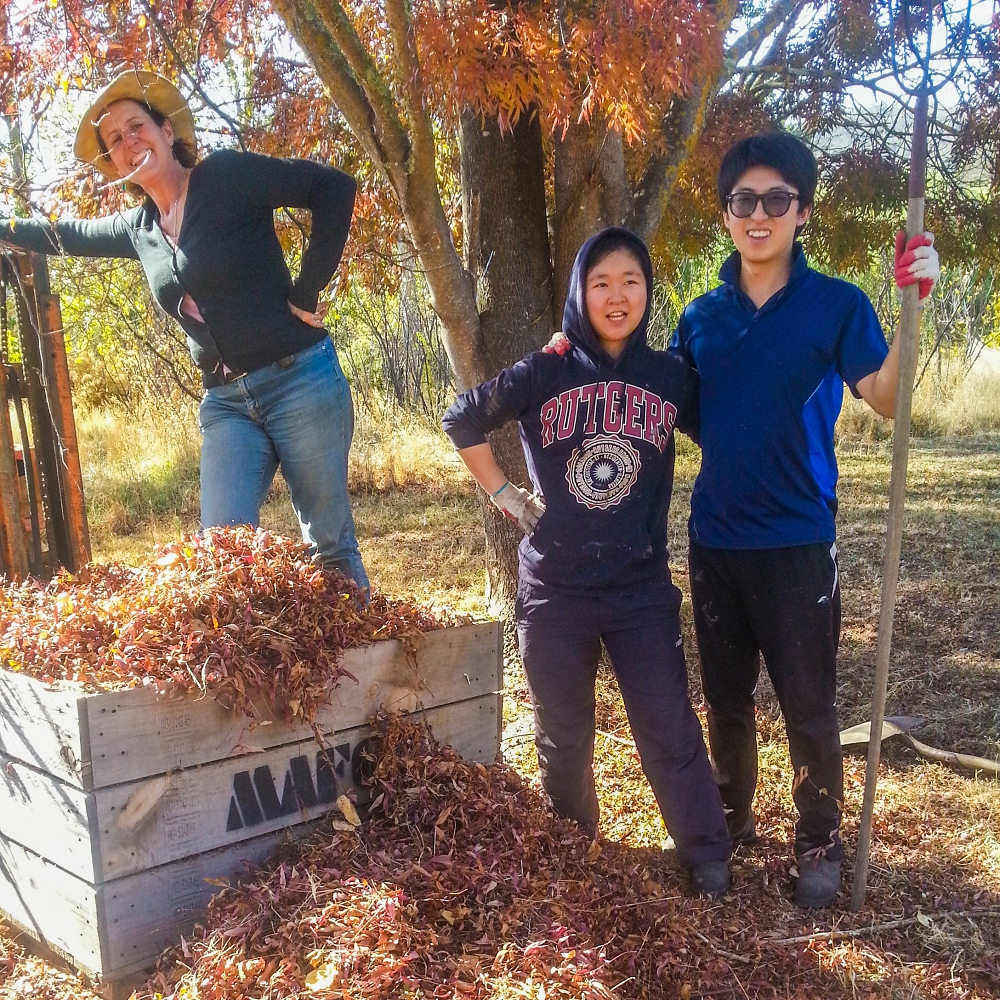
The first is the regular stuff you need to deal with, like autumn leaves, prunings, and weeds from the veggie garden (you should never weed around your fruit trees). They’re pretty much a known and predictable quantity, so over time, it’s easy to set up a system to recycle them.
Then there are those unexpected windfalls (pun intended) that can result from storms or natural disasters.
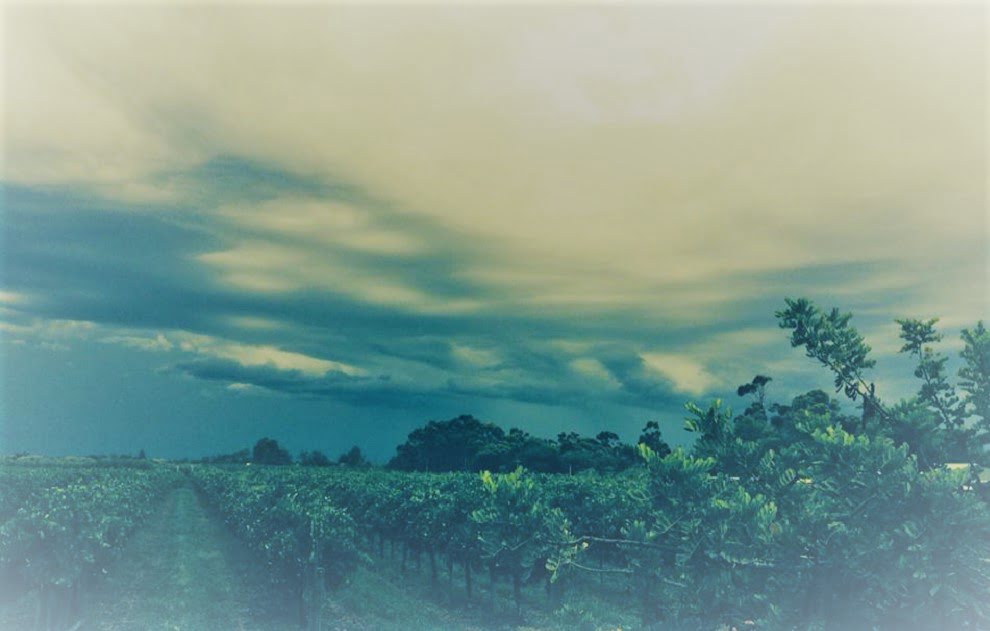
Storms seem to be becoming more frequent and more violent. In recent years ,we’ve had some huge ones, even to the point where we’d call them mini-tornadoes.
Storm damage can result in unexpected waste
Storms can certainly be a nuisance in the garden. They often come with massive winds, which can bring any fruit that’s close to ripe crashing to the ground. It’s always a bit tragic, but it’s also another great opportunity to value-add!
Hail is another potential storm by-product that can directly damage the fruit. Many times we’ve had to explain to customers why the fruit we grow looks a bit rustic. We reckon we’ve done a great job educating our customers over the years about what “real” fruit looks like!
We’ve also lost plenty of tree branches, both in the orchard and the paddocks.
Making the most of unexpected windfalls
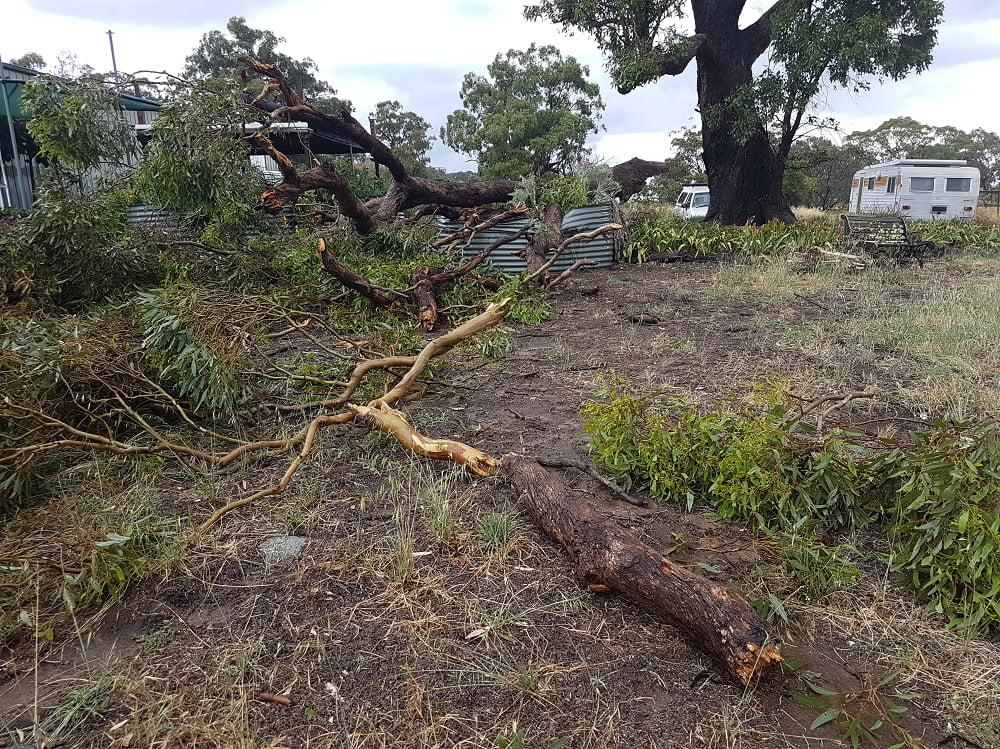
One notable storm brought down this rather large branch from the gum tree outside our farm shop (above).
Luckily, it missed anything crucial (like the shed or the caravan). The only casualty was one of our beautiful garden beds made out of a repurposed water tank.
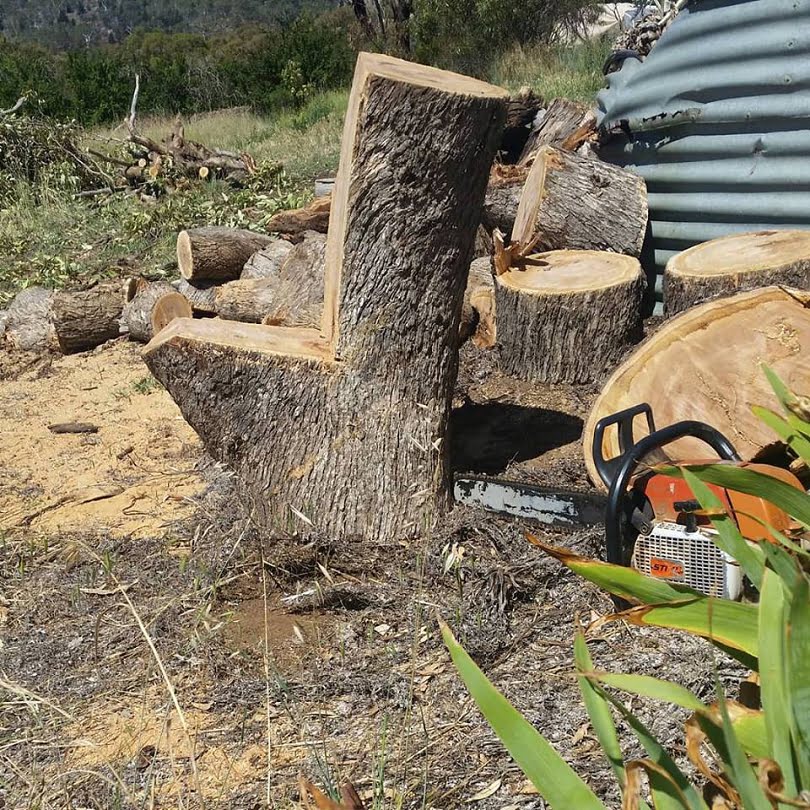
Half an hour with the chainsaw and Hugh had turned it into a rather attractive garden chair. It stands under its parent gum tree and has seen the addition of a cushion and many passing bottoms ever since it was made.
Every storm has a silver lining!
Why it’s so important to keep organic “waste” out of rubbish bins
When organic matter ends up in landfill, it doesn’t just disappear — it rots and releases greenhouse gases, contributing to climate change. Clearly, many people don’t realise the damage they cause to the environment by putting organic matter in the bin.
Maybe they just don’t know what else to do with it. With a bit of thought and research, you’ll discover that any type of organic ‘waste’ can be turned into something useful.
Fallen branches become firewood or even furniture, while fallen fruit and garden waste become compost or worm food. And just like that, the cycle keeps turning — transforming what would otherwise be thrown out into something valuable.
More helpful resources
Do you want to learn more about turning reducing waste, creating a closed loop system, and making the most out of everything that grows in your garden? We have lots of resources to help!
♻️ Four ways to use fruit tree prunings
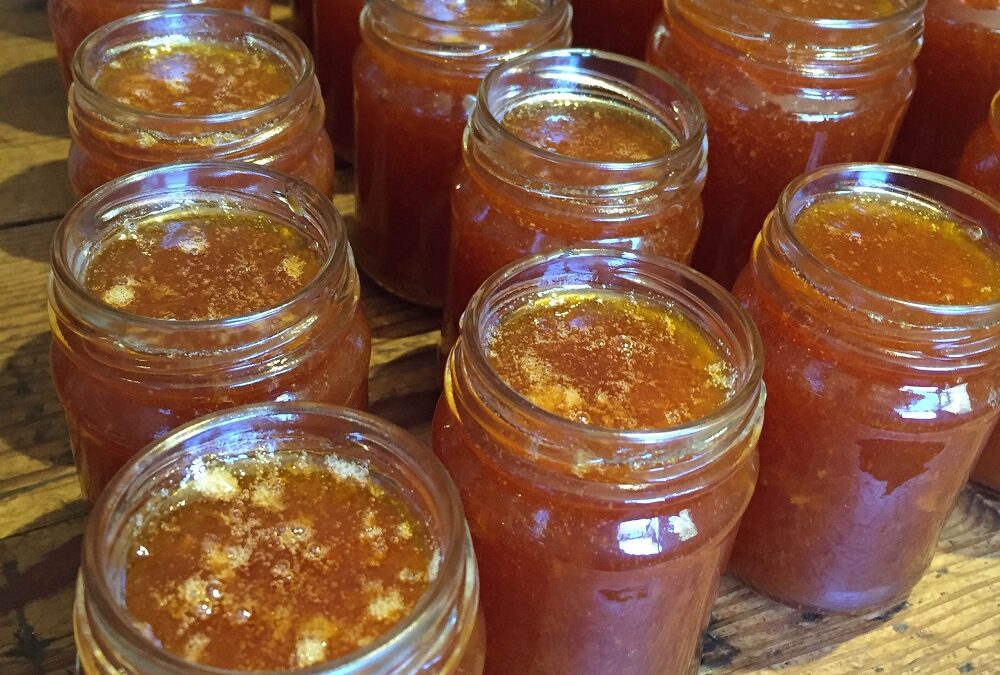
♻️ Value-adding your fruit for fun and profit
♻️ Apricot bottling (step-by-step)
♻️ Too many white peaches? It’s time for chutney.
♻️ Apple Fermentation Masterclass
Related Articles
Can you grow tropical fruit at home? Lessons from tropical Fruit World
Join us for a virtual tour of Tropical Fruit World where you can learn about hundreds of fruit varieties, all in one place!
Five ways to lead a more organic lifestyle
Five simple tips to help you live a more organic lifestyle and improve your health without breaking the bank.
Where to get fruit trees (and how nurseries work)
Our goal is to send our organic fruit trees to good homes (and gardens) far and wide. There’s always room for one more fruit tree, right?