Estimated reading time: 7 minutes
Do you like the sound of living an organic lifestyle?
For most people, that probably means trying to eat organic food in their diet as much as possible – but it’s expensive, right? And what about when you eat out, or have a houseful of hungry teenagers?
Having an organic lifestyle sounds great, but how do you achieve it on a budget?
How to make an organic lifestyle affordable
As the parents of five children (now all grown up and moved away), we well remember the after-school munch-fests where entire loaves of bread would disappear in a single sitting.
But once you’re switched on to organics, it’s impossible to ignore the fact that growing food organically is better for the environment, better for the farmers who grow your food, and better for your health (and your kids’ health!).
So then you feel guilty about not being able to feed your family organic food all the time … it can turn into a self-destructive cycle.
Grow your own organic food to save money
Turns out, organic food is NOT always more expensive – it depends on where and when you buy it.
One of the reasons we teach organic fruit growing is because we feel very strongly that organic food should NOT feel like a luxury!
In fact, we reckon that access to an abundance and variety of safe, nutrient-rich food should be your birthright.
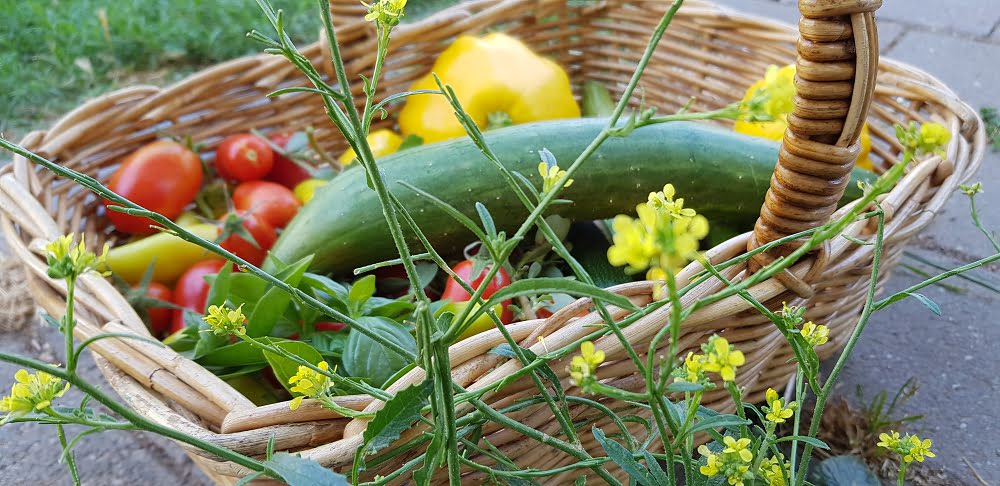
So here are five ways to live a more organic lifestyle without having to take out a loan to do it:
1. Grow your own (the key to an organic lifestyle)
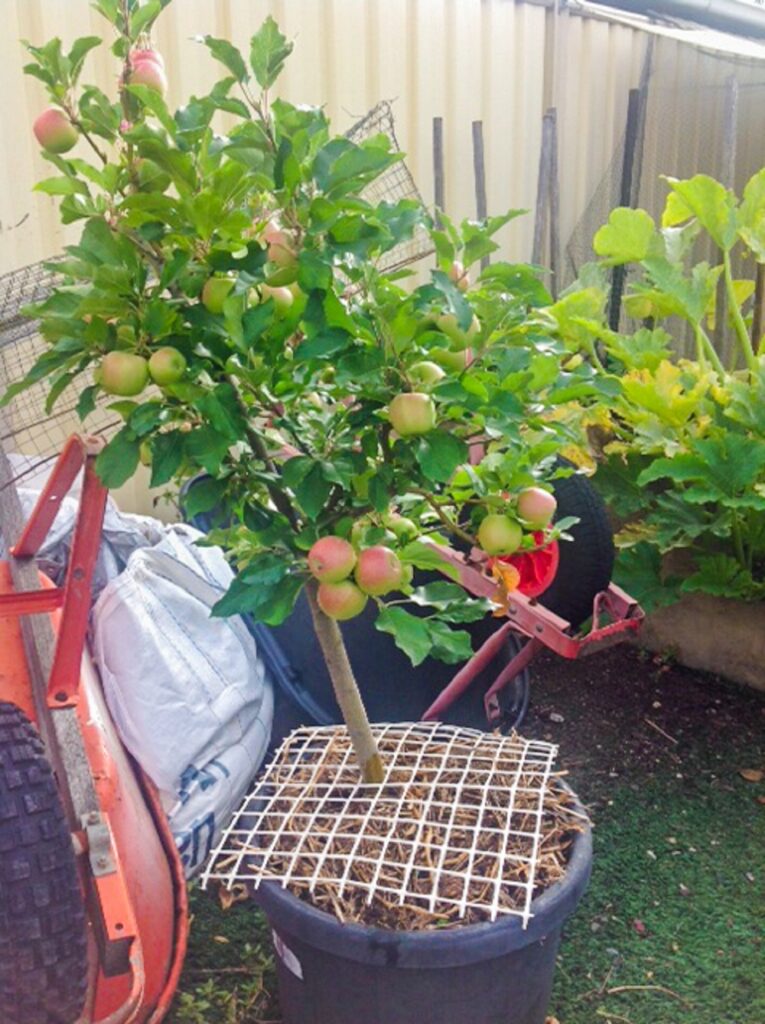
Obviously, this is our ‘raison d’etre, so it’s always going to be our number one. Even if you live in an apartment with a balcony, you can easily grow herbs and salad greens in polystyrene boxes, or a fruit tree in a pot.
Get a plot at a local community garden, and if you can’t find one, get in touch with your local council and start one.
2. Buy organic food the affordable way.
Cut out the middleman, and buy directly from farmers whenever you can. The more steps that produce goes through to get to you, the more expensive it becomes along the way.
Here are a few ways to buy direct:
Community Supported Agriculture (CSA) is a way to connect directly with farmers and buy a share of their crop in advance. There’s an excellent explanation of it on the Australian Food Sovereignty Alliance website. AFSA does excellent work supporting small-scale regenerative and organic farmers, so while you’re there, jump on their mailing list.
Accredited farmers’ markets. Here in Victoria, it’s easy to live an organic lifestyle because we have great organisations like Melbourne Farmers Markets and our local Castlemaine Farmers Market. The Victorian Farmers Markets Association has a list of farmers’ markets throughout Victoria, so join their list to get regular updates on markets near you. In other states and countries, look for an industry association. And when you visit markets, ask the stallholders if they grew the produce themselves!
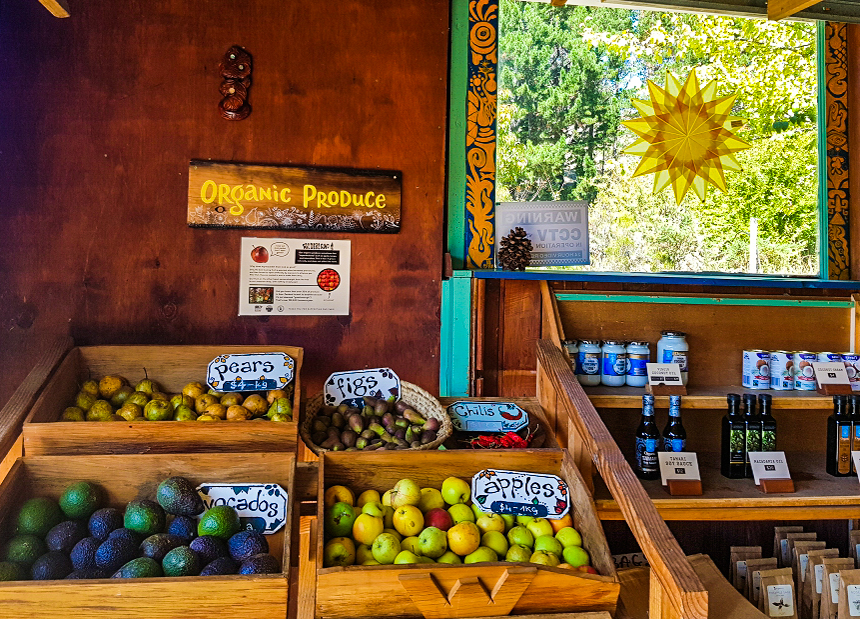
Look out for farm stalls. They’re sadly few and far between, but it’s always worth keeping your eyes peeled when you’re traveling. We make a point of stopping in at farm shops when we see them. They’re an excellent way of getting hold of locally grown, farm-fresh produce, often at super affordable prices. Plus, you get to meet some really cool farmers.
Buy bulk amounts with friends. It’s often more affordable to buy organic food in bulk, so check out whether there’s a bulk buying club in your neighbourhood (social media is a great place to start). Or see if a family member or friend would like to share the cost.
3. Buy in season
Many farmers offer special prices when they have gluts. Look out for them, join as many mailing lists as possible to hear about them, and snap up the bargains when you can.
If you don’t have any farmers or farmers’ markets in your area, it’s still worth finding and visiting your local organic shop. They’ll usually have some bargains, and it’s always worth asking them about discounts for buying in bulk.
4. Learn how to preserve
Once you’ve grabbed a bargain, eat and share as much as you can while the food is fresh. Then preserve the rest.
Before refrigeration and shipping out-of-season produce halfway around the world became “normal”, making preserves was the only way to make sure your family would get fed in winter.
Bottling, drying, fermenting, freezing, pickling, and making jams and chutneys are all simple techniques when you learn the basics. They don’t need to take a long time and can have a massive impact on your food budget.

5. Don’t throw food away
One of the fundamental guides for an organic lifestyle is to buy only as much as you need, and if you’re not going to use it, make sure you preserve it somehow. This sounds easy, but it can be a difficult habit to develop.
The first step is to record how much food is wasted in your household each week. While you’re at it, calculate the cost of the wasted food. You might be shocked at the result.
If you find that you’re wasting food, don’t worry, you’re not alone. The average food wastage per person in Australia is an absolutely shocking 312kg per person per year.
If this is happening in your household, ask yourself why. Are you buying too much? Buying the wrong things? Cooking too much and wasting the leftovers? Getting (expensive) takeaway too often?
Food waste is estimated to cost up to $2,500 per household. Imagine instead buying smaller quantities of high-quality organic food that will all be used.
An organic lifestyle suddenly seems much more affordable.
Looking for ways to live a more organic lifestyle?
Good on you for finding ways to live lightly on the earth! We chose to live as sustainably as possible many years ago, so we have a lot of resources to help in this department.
🌻 The organic food pathway to glowing good health
🌻 Permaculture in Action: Use the permaculture system for better living
🌻 Is organic growing really any better?
🌻 Introduction to Permaculture Masterclass: Learn permaculture basics
🌻 Raising ethical home-grown meat
🌻 6 tips to fit fruit growing into a busy lifestyle
🌻 Fabulous Fruit Preserving: Save money with home-grown preserved fruit
Related Articles
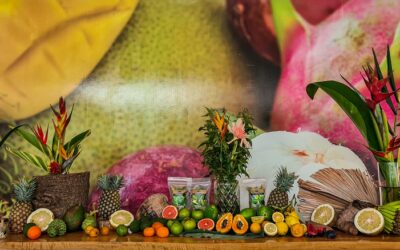
Can you grow tropical fruit at home? Lessons from tropical Fruit World
Join us for a virtual tour of Tropical Fruit World where you can learn about hundreds of fruit varieties, all in one place!

Should you worry about bugs on fruit trees?
Should you be worried about the bugs on your fruit trees? Learn how to protect your fruit trees without upsetting nature.

Where to get fruit trees (and how nurseries work)
Our goal is to send our organic fruit trees to good homes (and gardens) far and wide. There’s always room for one more fruit tree, right?
Thanks Grow Great Fruit for a very good explanation of why local organic food straight from the farmer can be quite cheap ad good value. Agree fully with the philosophy and I befirmly lieve that it is the lower income folks who need to eat more organic foodm using the many ways you describe.
Free seeds from the Seed Library. Free pots from tip shops. Scrounge soil from your friendly neighbours, and piles you see around the place and Bingo..you’re growing your own organic food. Don’t waste money on fertilisers and insecticides. Learn to companion plant. Learn where to find free animal and chook manures.
And as you said Katie, join the local Community Garden where you will find friendly people who will help you, give you spare seedlings etc.
This is the way of future which will need all the personal and commuity resilience we can all muster.