
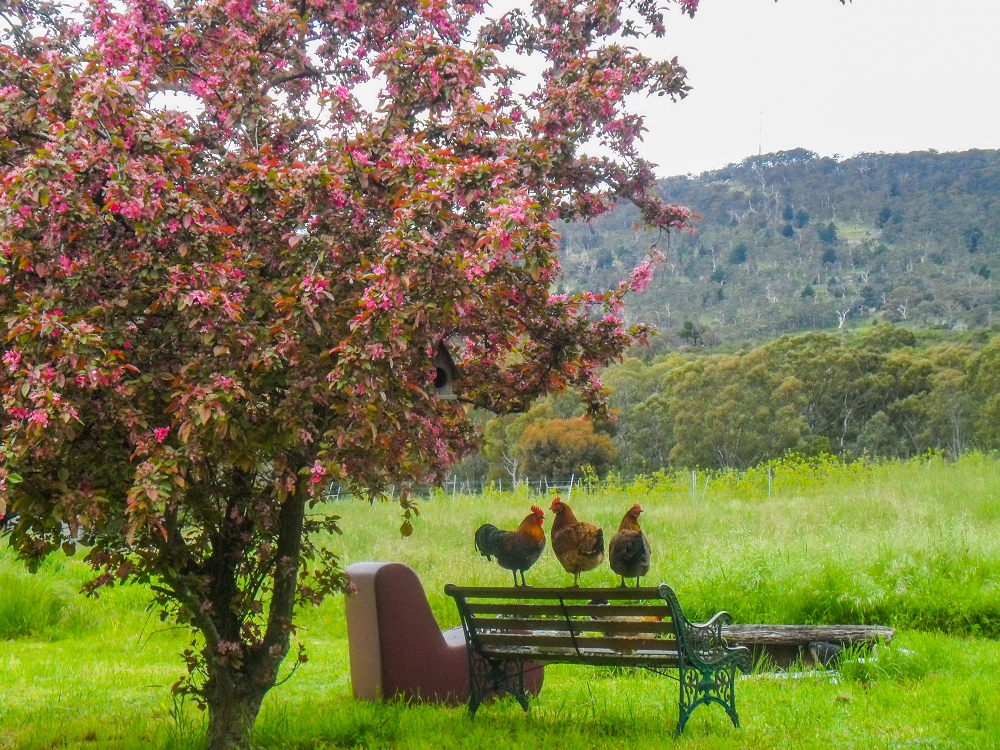
Fruit trees and animals are historic partners. If you have enough room, running animals as part of your orchard makes sense, as they have much to offer each other.
If you’ve ever watched animals under your fruit trees, you’ll know how naturally the partnership can work, once you work out the logistics. They fertilise, eat fallen fruit, and help control pests.
In return, the trees offer shade, shelter, and food. It’s a beautifully balanced system that fits perfectly with the kind of low-input, regenerative growing we’re always aiming for.

Animals and fruit trees in a self-sufficient lifestyle
As part of our self-sustainable lifestyle, we aim to grow as much of our own food as possible. For us, that also means raising and slaughtering home-grown meat.
For a carnivore, learning how to butcher your own meat is a very real way to gain an appreciation of the food that goes into your mouth. (And just a warning, this blog includes photos and details about the entire process.)
Animals are a key part of a regenerative food-growing ecosystem, whether they’re farmed or wild. They have an important role in recycling waste food, providing nutrients, and contributing to pest control.
Because of the way a lot of animals are managed in conventional farming systems, they often get a bad rap for causing damage to the environment. But properly managed, they can (and should) have a net positive impact.
Best care for animals
Animals are not just a commodity and should never be treated as such. When farmers (or anyone) choose to “own” animals, they are taking on the responsibility to meet the animal’s needs and make sure they have a comfortable and secure life.
If you’re raising them for meat, you also have a responsibility to ensure they have a respectful and painless death.
At our place, home-grown animals are an important source of protein in our diet.
But we reckon that if you’re going to eat meat, then raising, feeding, and slaughtering your own animals (or buying direct from farmers who do) is certainly the most ethical way to do it.
An ethical home-grown chicken adventure
Some years ago, we embarked on a very personal “farmyard to table” journey. It was led by Laura, who was staying with us on the farm at the time. Laura was tired of working with factory-farmed chicken in her career as a chef in America. One of her goals while WWOOFing in Australia was to learn how to slaughter meat for herself.
The experience turned out to be a pivotal moment in Laura’s career with meat. She went on to own and run a hugely successful business as Laura the Butcher in Steamboat Springs, Colorado. The business includes the Meatbar charcuterie and winebar, a catering arm, and classes in home butchery and ethical meat consumption.
We were happy to facilitate the process. First up, Laura bought some 6-week-old roosters at the Castlemaine Farmers Market. They were penned next to the rest of our flock so they had company, under a beautiful, shady cypress tree with a shed for shelter.
They were fed an abundant diet of rain-damaged cherries and other fruit, locally grown biodynamic wheat, household scraps, and grass and weeds from around the farm.
Slaughter day
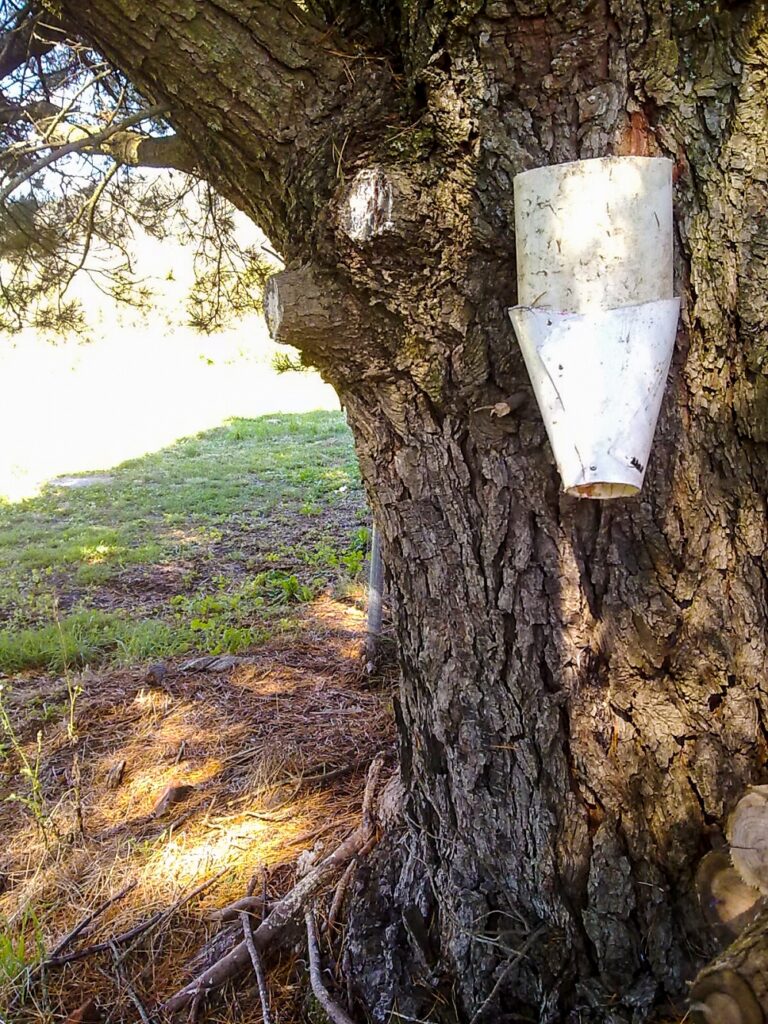
When the boys were big enough, slaughter day arrived. Laura and Hugh had researched and constructed a killing cone to facilitate a low-stress experience for the roosters. The roosters were quite tame, so they were caught by hand and calmed by covering their eyes.
Then they were quickly upended in the cone. The heads were pulled down to expose the neck and removed with one quick and decisive stroke of a very sharp knife. The cone limited the amount of flapping and involuntary movement, and allowed the blood to drain freely.
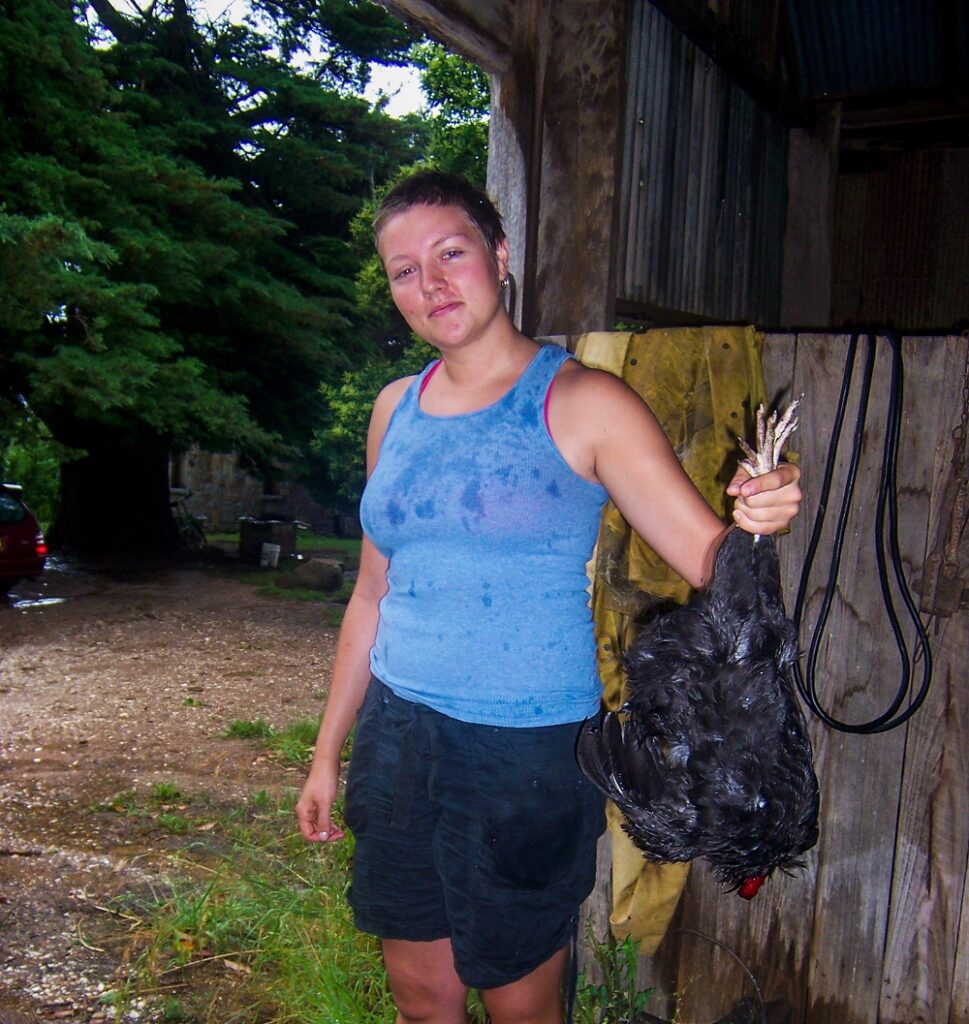
Everyone who was home that day attended the slaughter, and those who felt comfortable doing so killed a chicken. For those who hadn’t done it before, it was a challenging but worthwhile experience.
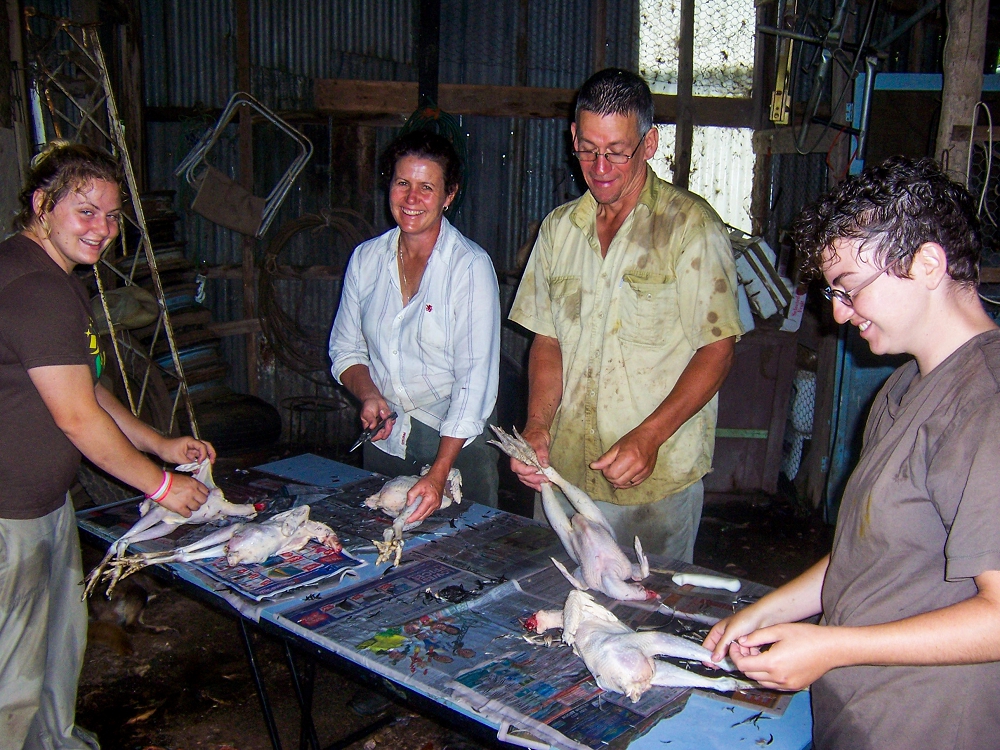
Slaughter day was rainy, so we set up a table inside the shed for plucking and gutting. The birds were dipped briefly in hot water to loosen the feathers, then in cold water so they didn’t cook.
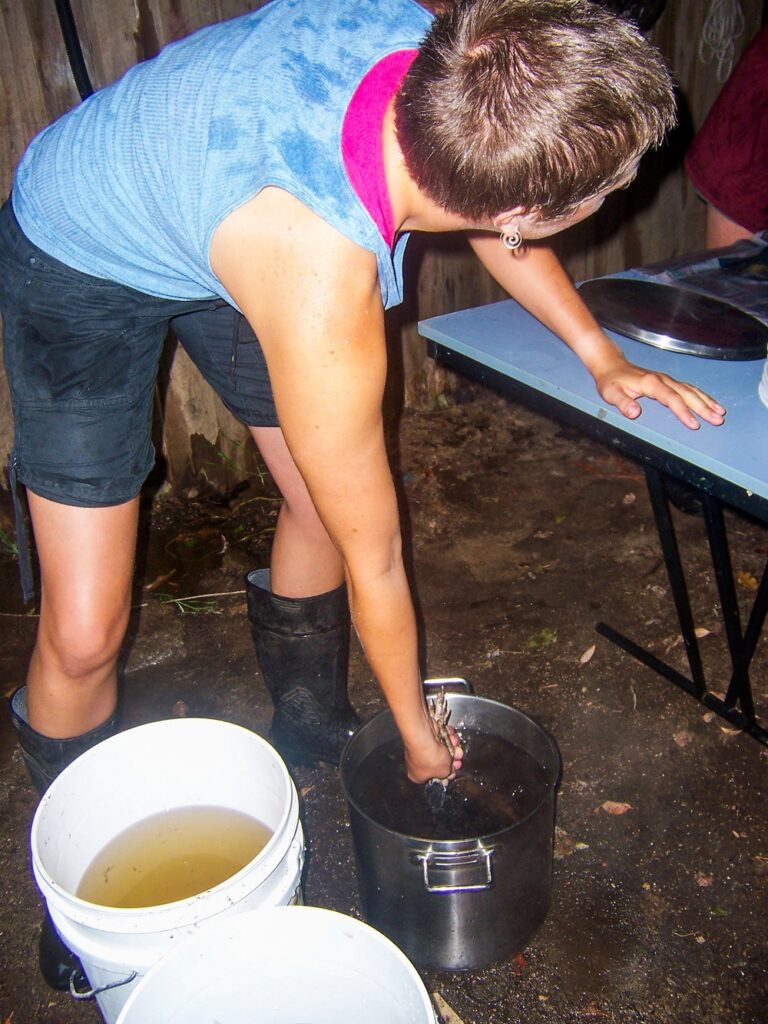
Getting the water at the right temperature takes a bit of trial and error. If it’s too cold or too hot, the feathers don’t come out as easily, and the skin can tear when pulling the feathers out.
There were five of us on the job and five birds, so we took one each. Hugh and Laura showed everyone how to remove the feet and gut the birds. It seems difficult until you do it, but it is actually quite easy.
Once dressed, the birds were then rinsed and put in the chiller to rest.
A truly home-grown chicken dinner
This project was many months (if not years) in the making. Laura put many, many hours into menu planning, and in the weeks and months preceding the dinner, we’d often catch her gazing off into the distance and then writing furiously in her planner.
Part of the point of the meal was to demonstrate how to value every part of home-grown meat. Laura designed the meal to use every part of the birds and to include chicken in every course.
She also created dishes that celebrated chicken with a wide variety of cooking techniques, and used as many ingredients grown on the farm or locally as possible.
With the slaughter behind us, Laura then embarked on 3 days of cooking, culminating in one of the most amazing dinners we’ve ever had the privilege to enjoy.
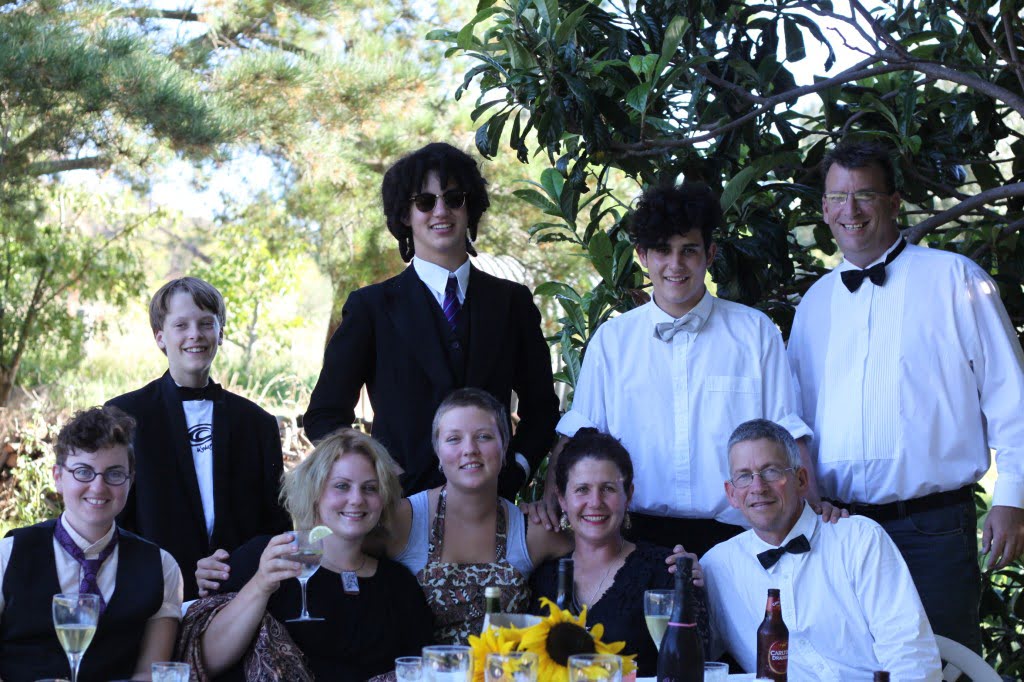
We gathered family and friends together for the feast, and to do justice to the occasion, we surprised Laura with our black-tie glam.
The meal we shared was, quite simply, incredible. Home-grown chicken can be a tricky meat to manage. Unless you buy specific meat birds (which can be problematic for a number of reasons), the meat can tend to be a bit dry and tough.
A huge amount of thought and preparation went into every detail of this meal. We know the foodies among you will appreciate having each course described in detail, so here goes!
First course
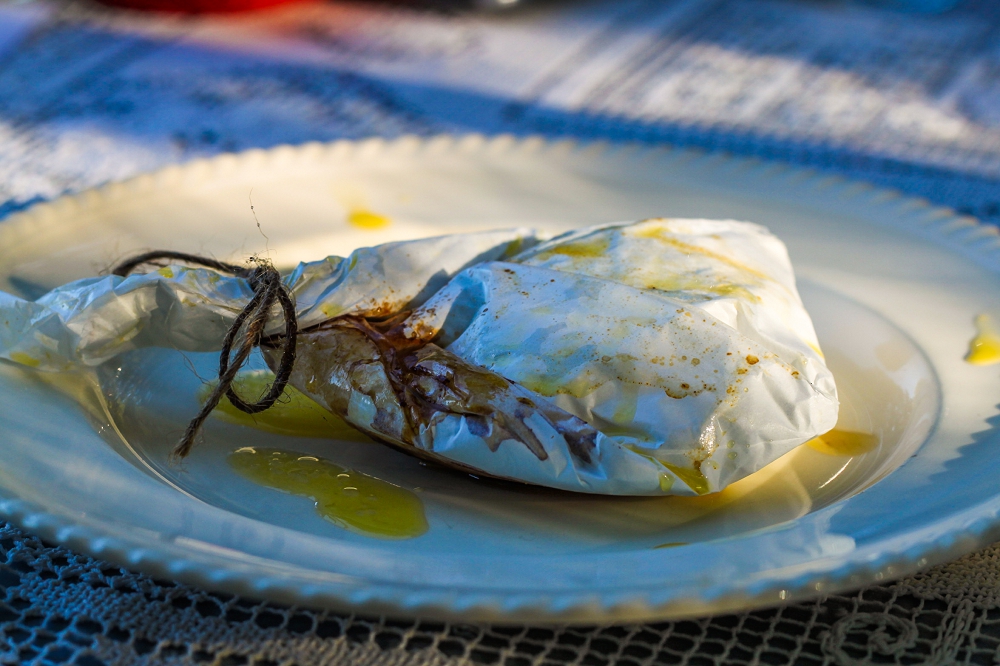
The meal started with poulet en pappillotte, made with the chicken tenders (the part under the chicken breast). When these divine little parcels were pierced, the most heavenly scent was released.
The julienned cabbage, leek, carrot, capsicu,m and ginger in the parcel with the chicken were tender and delicious. It was a wonderful dish that started the evening with a tantalizing taste of what was to come.
Second course
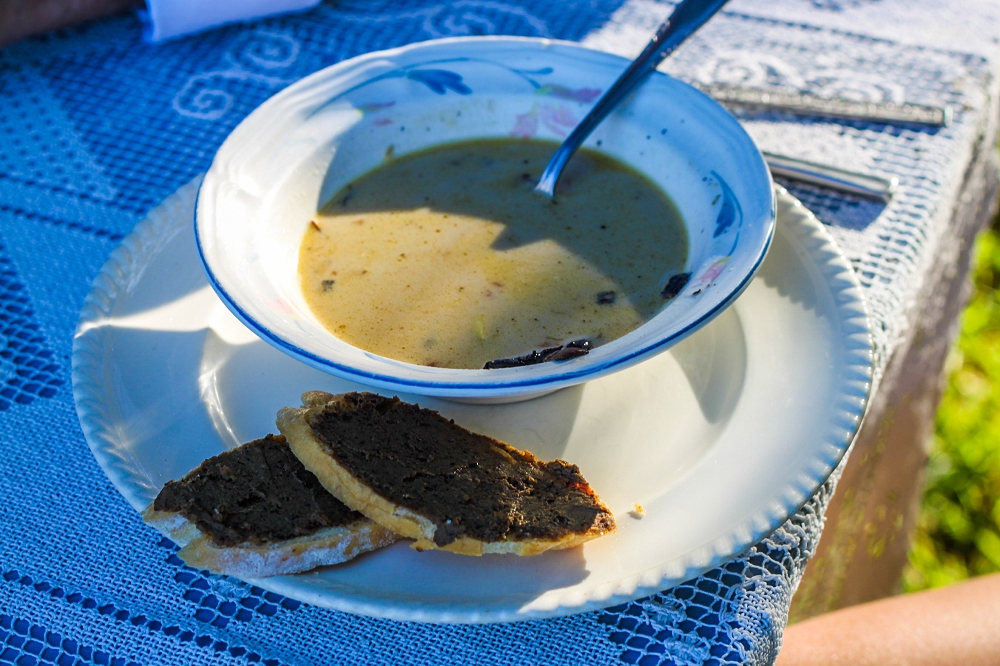
The creamy mushroom soup for the second course was a simple soup made from the tastiest chicken stock you could imagine. It needed only the addition of cream, mushrooms, and a little crunchy bacon.
The soup was accompanied by crispy toast with a rich pate made from the chickens’ livers.
Course three
The next dish was a thoughtful blend of flavours and textures that came together to make a perfect dish.
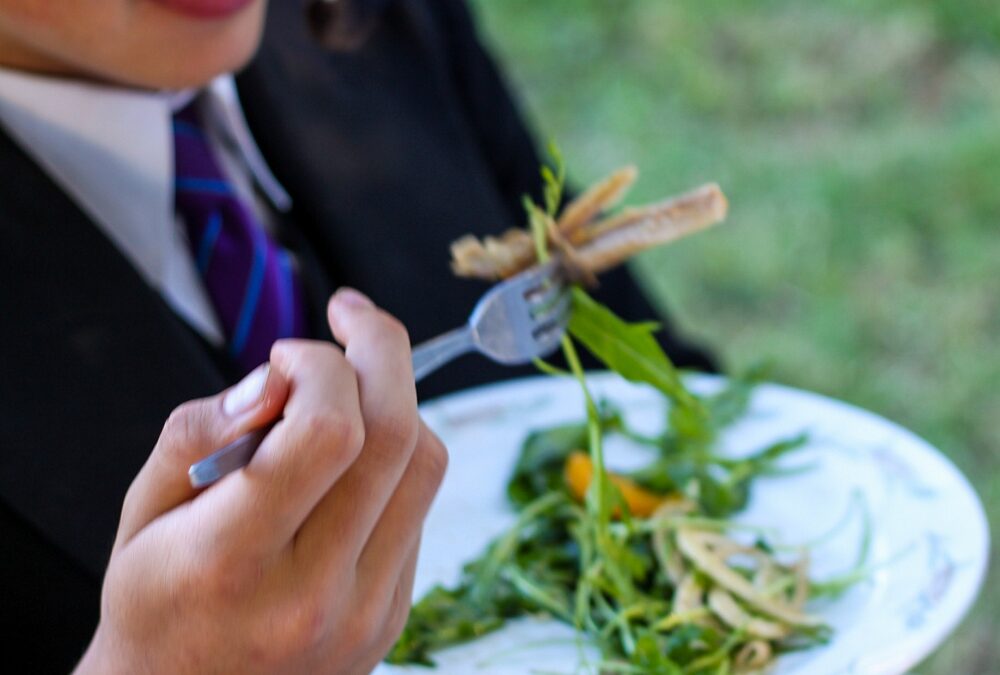
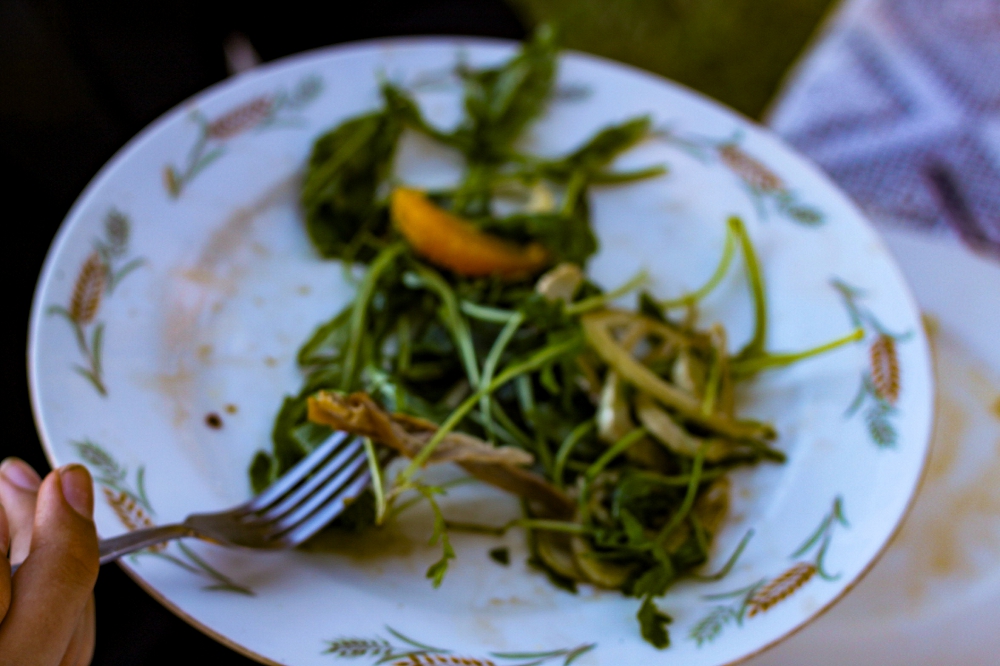
Chicken confit (the tenderest, most tasty chicken that had been slow-cooked in butter) was combined with bitter rocket, crunchy fennel, sweet orange segments, and a balsamic dressing. It was a taste sensation!
Fourth course
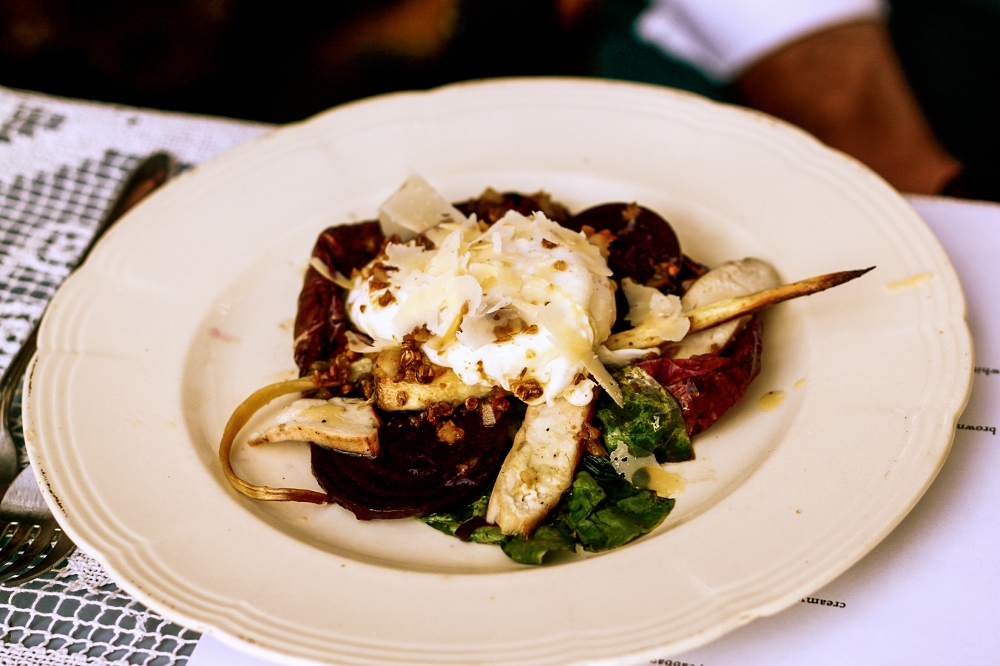
For the fourth course, a seared chicken breast sat on top of a bed of chicories (radicchio, treviso, and little gem lettuces). It was topped with a poached egg, roasted parsnip and beet slices, and a bagna cauda sauce, made with anchovies, garlic and butter.
This was such a sensational blend of flavours that some members of the party were caught licking their plates (and had to be restrained from licking other people’s plates as well!).
Though each dish was quite small, we were starting at this point to feel extremely well fed…but we moved on…
Fifth course
The last of the savoury dishes was a masterpiece. One of the roosters was older than the others, and consequently had a darker and gamier meat.
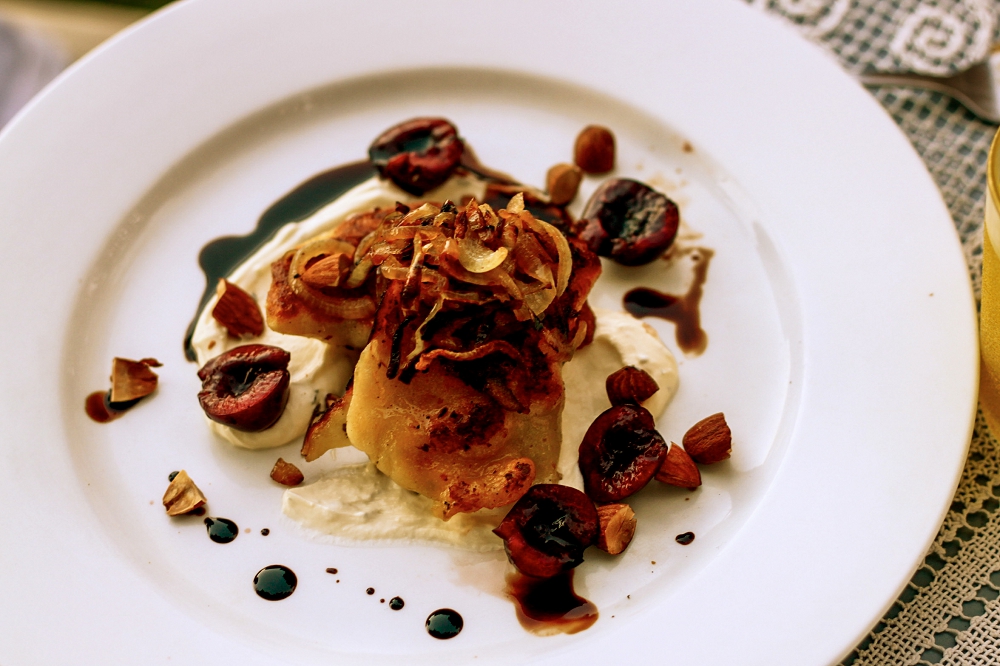
Laura made a feature of the extra flavour of the meat by cooking it with brown butter and marjoram. She then used it to stuff pierogi – Polish dumplings made to a recipe handed down in her family from her Polish grandmother.
The pierogi were presented on a smear of herbed sour cream and accompanied by caramelised onion, Lambert cherries, toasted almonds, and a balsamic reduction. This was extraordinary food!
Sixth course – dessert
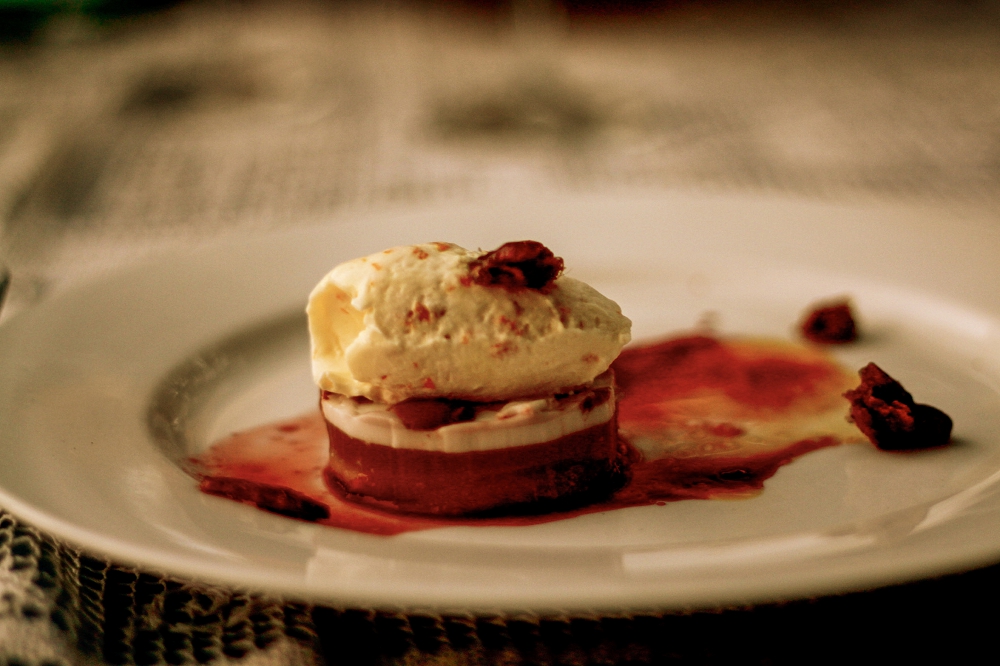
One of Laura’s aims was to incorporate chicken into each course. Her creative solution for the dessert course was to use crispy honey chicken skin as a garnish for her white nectarine jello confection.
The dessert included ginger, coconut, orange cream, and tuille – a beautifully moulded thin biscuit on the side. This sweet but light concoction was offset with an orange reduction and a cherry reduction (“why use one sauce when you can use two?”).
It was the perfect way to finish a perfect meal.
This was the sort of meal that most ordinary mortals might get to experience only a few times in their lifetime. We felt privileged that Laura provided us with this experience of just how good home-grown meat can be. She assured us it was also a huge treat and a great experience for her!!
To be involved with buying, feeding, and slaughtering the animals and then to be present at the dinner was a special experience for our family. It was a delight to include family friends, as well as WWOOFers Melissa and Kirsten (and, of course, Laura).
Laura clearly has an incredible talent for designing and executing beautifully balanced dishes (as her subsequent career has shown). Cooking to this level is beyond the reach of most of us mere mortals.
But seeing home-grown meat valued and used with such love and passion must surely inspire even average cooks (like us) to have another think about where our meat comes from.
Are you interested in living a more sustainable lifestyle?
Congratulations on deciding to live with a lighter footprint; if everyone did the same, we’d go a long way towards a kinder, more liveable planet! We have lots of resources to help your journey.
🌾 How (and why) to eat local food
🌾 Fruit tree care for animal lovers
🌾 Accidentally growing new growers
🌾 Five ways to lead a more organic lifestyle
🌾 Growing a Small Farm Business Masterclass
Related Articles
Can you grow tropical fruit at home? Lessons from tropical Fruit World
Join us for a virtual tour of Tropical Fruit World where you can learn about hundreds of fruit varieties, all in one place!
Should you worry about bugs on fruit trees?
Should you be worried about the bugs on your fruit trees? Learn how to protect your fruit trees without upsetting nature.
Five ways to lead a more organic lifestyle
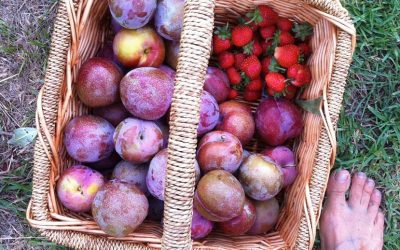
Five simple tips to help you live a more organic lifestyle and improve your health without breaking the bank.

Loved this article – now we are full timing at the farm been thinking next round of chickens will be dual purpose with a rooster. Loved reading the menu made me salivate!
Thanks Kelky, it was one of the most amazing meals we’ve ever had, we still remember it well! Good luck with your chickens and farming journey!
Awesome article. Intrigued by each course containing chicken. Awesome idea. My daughter, a chef, would appreciate all the work going into that.
We are planing on meat/dairy goats, meat/laying chickens and kunekune pigs which will all be kept in less than 1/2 acre. Last year we planted our orchard which is going okay. This year is vegetable gardens and animals.