It’s becoming increasingly obvious (to us at least) that eating organic food is more than just a nice idea or an optional extra.
If you want to get serious about your health and the health of the planet, eating food that’s produced without chemicals or wrecking the soil is essential.
It’s also the fastest way to create a sustainable food system that’s realistically going to feed our growing population,
The evidence for an organic diet
Does our advocacy for eating organic sound a bit strong?
Don’t worry, we have some convincing pieces of evidence we want to share with you.
The first one is the US-based The Detox Project, which collects evidence on the harm caused by glyphosate. Glyphosate is the chemical in weedkillers like Roundup.
So what? Glyphosate is one of the most used herbicides on the planet, so surely it’s safe for humans, right?
Chemical company Bayer (which bought Monsanto in 2018 and makes Roundup, one of the most common brands of glyphosate) would like you to think so.
There’s now strong evidence to the contrary.
The risks of having glyphosate in your body
In March 2015, the World Health Organisation declared that “glyphosate is a probable human carcinogen”. This was based on the view of 17 top cancer experts from 11 countries, who met to assess the carcinogenicity of five pesticides.
The Detox Project conducted validated glyphosate testing, among other things. One of the things they’ve discovered is that glyphosate can cause damage at much lower levels than previously thought.
This is pretty alarming when you consider that 93% of adults test positive for glyphosate in this study.
Bayer is being faced with thousands of lawsuits claiming that Roundup causes cancer. Monsanto lost three trials in a row, with more than $2 billion awarded in damages against them. Bayer has agreed to around $11 billion in settlements and is still facing thousands of lawsuits from farmers, gardeners, and other users.
The Detox Project has also researched how safety limits for glyphosate are set, which raises all sorts of alarm bells! Read more about whether glyphosate is really safe here.
The good news is that it’s relatively easy to rid your body of glyphosate. This experiment by The Swedish Environmental Research Institute (IVL) along with Coop, a Swedish grocery chain, showed that the levels of pesticide in your body can be measurably reduced in just two weeks on an organic diet.
Is organic food really expensive?
One of the arguments against eating organic is that it’s too expensive. Sometimes this can be true (depending on how you get your food) but there are lots of ways to keep the cost of organic food down.
The first one is to buy seasonal, locally produced organic food if possible. Despite the common misconception that this is an elitist and more expensive way to shop, it can often be more affordable than mass-produced supermarket offerings.
Farmers markets are one of the easiest ways to connect directly with your local farmers. Also, try searching online for community-supported agriculture (CSA) schemes in your area.
In many states, there are aggregators that collect food from local farmers, aggregate it into boxes, and then deliver it. A couple of great examples in Victoria are Ceres Fair Food and Prom Coast Food Collective.
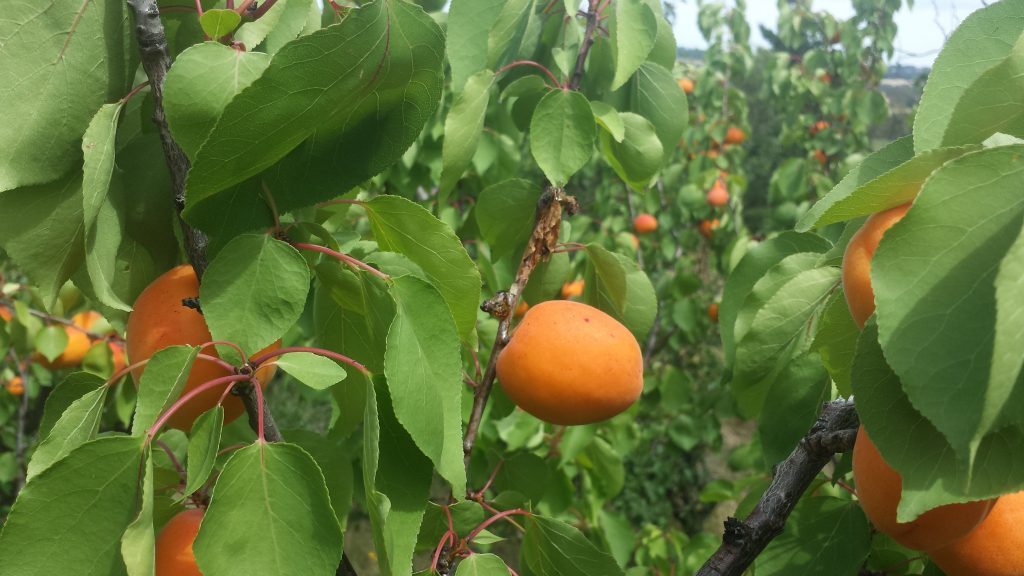
Why is mass-produced food so cheap?
Ever wondered why organic food can be priced higher than the mass-produced alternative?
One reason is that organic food is usually produced on smaller-scale, regenerative, family farms. These operations tend to factor in the real costs of production.
What if it’s the case that organic food is not too expensive, but that mass-produced food grown with chemicals is too cheap?
The price of food has been held at unrealistically low levels for decades. This is largely because long-term costs, such as depletion of soil carbon and degradation of the environment caused by chemical farming, are left out of the equation.
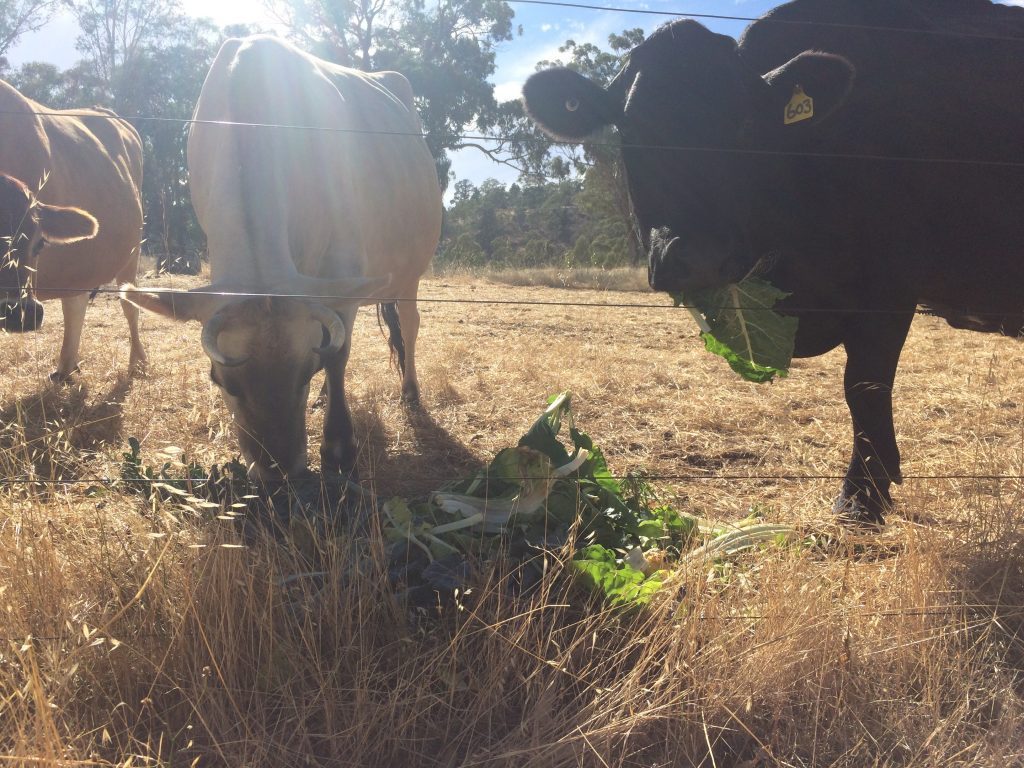
Food is unrealistically cheap compared to other things
It’s undeniable that the price of food has become less and less proportional to other expenses. For example, 2 litres of milk in 1910 would cost the equivalent of $26 today, but we expect to pay as little as $1 per litre!
As consumers, we need to be prepared to pay the real costs of producing food. If we don’t, they are often carried silently either by farmers or the environment, and will come back to bite future generations on the bum. Half the world’s topsoil has already been lost, and this massive problem is getting worse every year.
However, the reality is that wages have also been stagnating, while wealth distribution and inequality are getting much worse. The small group at the top of the income scale lives with many times higher income than the majority at the bottom of the scale, and the gap continues to widen.
It’s not surprising that many people need to feed their families on a smaller budget than they previously had. The unpalatable and inequitable truth is that store-bought organics remain a luxury for many.
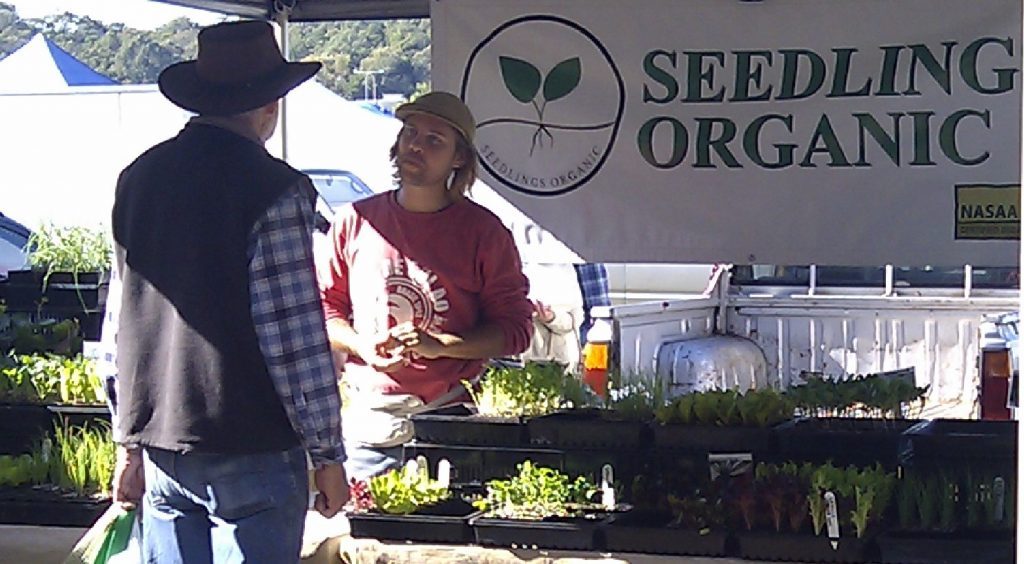
Truly affordable organics
Do you know what we think is the best solution to this whole mess? (Apart from deconstructing capitalism, but that’s a topic for another blog.)
Grow your own, of course!
It’s the one single thing you can do to give you access to abundant organic food. You’ll also have a positive impact on your budget, your mental health, your physical health, and even your community!
This is why we’re so passionate about helping people learn how to grow their own organic fruit (and by extension, other organic produce in their gardens as well).
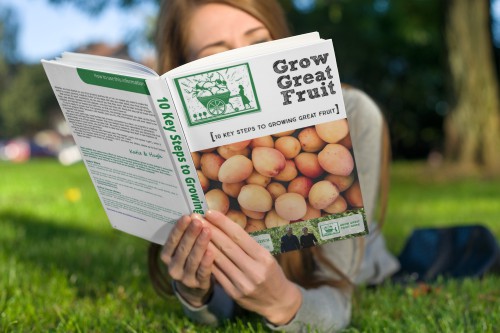
Our whole Grow Great Fruit system is based on how to grow fruit without chemicals.
Once you learn the basic skills, it’s not that hard or mysterious. If you want to change the world and fix the food system, start in your own backyard!
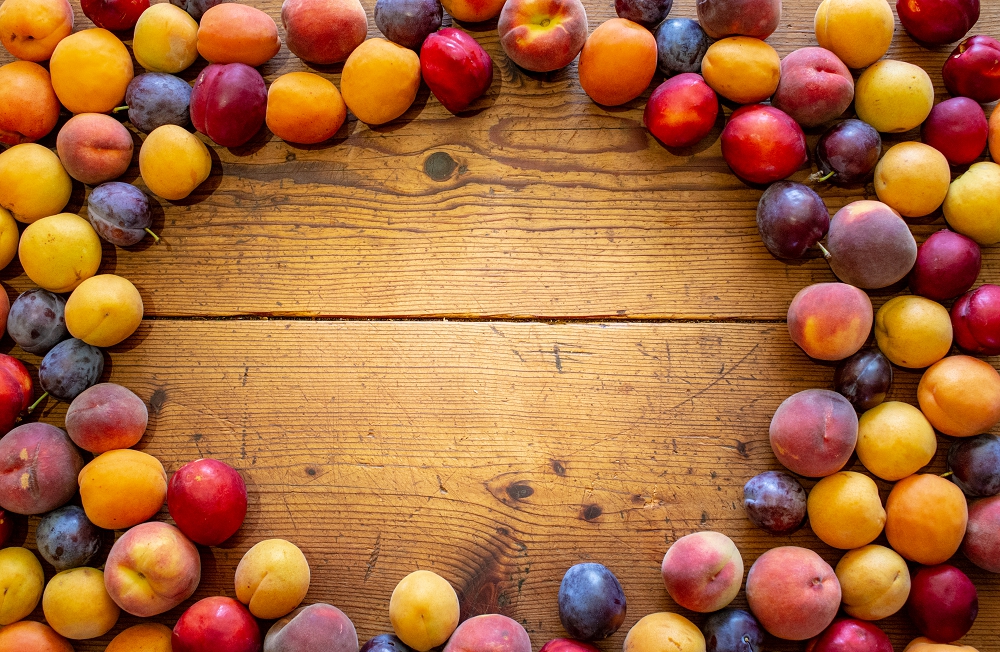
Do you want to know more about growing your own organic food?
Good choice! Growing your own organic food is a simple way to improve your health and save money, and we have lots of resources to help.
🍏 The Grow Great Fruit program is our year-long membership program covering every aspect of organic fruit growing
🍏 Better fruit with wise organic spraying
🍏 Five ways to lead a more organic lifestyle
🍏 How to grow apples – the organic way
🍏 Is organic growing really any better?
🍏 Expert tips on growing organic berries
🍏 Four reasons to get certified organic (and three reasons not to)
Related Articles

Should you worry about bugs on fruit trees?
Should you be worried about the bugs on your fruit trees? Learn how to protect your fruit trees without upsetting nature.
Five ways to lead a more organic lifestyle
Five simple tips to help you live a more organic lifestyle and improve your health without breaking the bank.
Hands up – who loves Bramley apples?
Bramley apples are a magnificent cooking apple from England which deserve a place in many Australian gardens.
Katie and Hugh, a terrific article, telling it as it is.
Beautifully explanetary, concise, comprehensible and inspiring.
Thank you.