Estimated reading time: 11 minutes
In the world of fruit trees, spring is the ‘engine room’ of the fruit season. It’s when most of the important stuff happens that determines how the season will turn out.
The more you understand what each season in your garden is like, the easier your planning will be. So we thought it was a great time to give you a quick checklist of spring jobs to keep you on track.
All these jobs need to be done whether you have 6 trees or 6,000, so hopefully, this list should be useful for everyone with fruit trees!
Fruit trees need urgent attention in spring
Here on the farm, as we transition from winter to spring, our job priorities gradually shift.
In winter, we’re more likely to do jobs that are good for the trees (and next year’s fruit) in the longer term. This includes things like making compost, spreading fertiliser, or pruning the trees.
In spring, the focus shifts to what’s most crucial for looking after this year’s fruit in the short term. This includes jobs like netting, protecting trees from pests, and fruit thinning.
In summer, once the fruit is ripe and ready for picking, the top of the list every day is, “What needs picking”?
Reducing overwhelm with good planning (and good friends)
The list of jobs to do for your fruit trees in spring can end up looking very long, and it can be overwhelming. However, as long as you have a plan and are prepared for the fact that spring needs your regular attention, it’s all quite doable.
If you have a lot of trees in your care, it’s great to lighten the load by having friends or volunteers to help out. In our case (with a few thousand trees to look after), we’ve welcomed volunteers and employed people to help where necessary. That way, we can make sure the jobs all get done.
So, without further ado, let’s go through your spring checklist.
1. Spraying fruit trees in spring
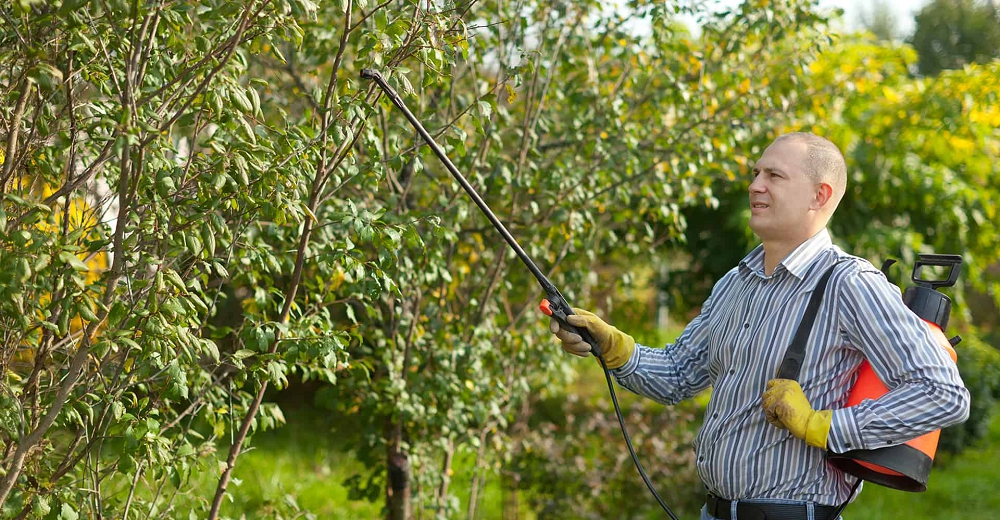
This job starts way back in late winter when you have to start monitoring for the first signs of budswell in the peaches and nectarines.
From then on, you should be monitoring regularly for two things: the trees as they flower, and the weather. It’s important to make sure that any trees that need one have an organic fungicide on at the right time.
For us, this job can take anything from 2 hours to all day, but if you’re only doing a few trees (say, less than 100), it should be quite quick, as long as you have the right equipment.
Depending on the weather and what sort of fruit trees you have, you might need to spray a couple of times a week — or not for weeks!
2. Weed control
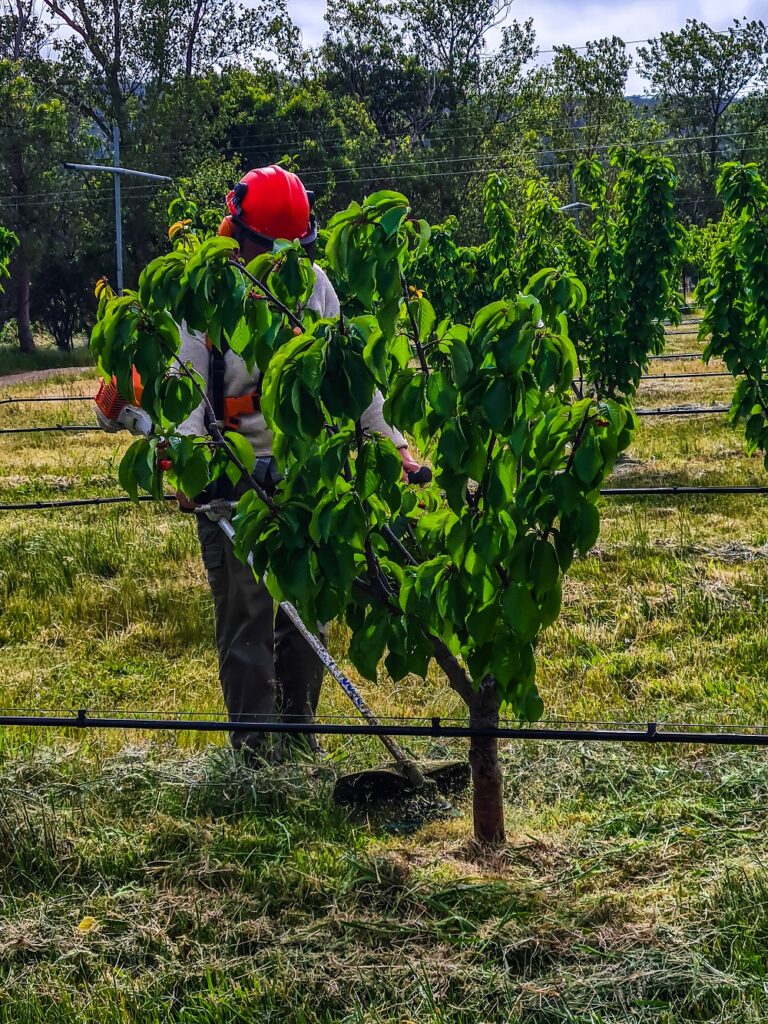
With spring comes rain and warmth, and the grass starts growing.
This is basically a good thing because all these lovely annual plants start pumping carbon into the soil. But you can’t let the weeds get too long around the trees, so it means you need to start mowing and keep mowing regularly. This job goes right through summer until the rate the weeds are growing slows down.
A different way to look at this job is to replace the “weeds” with a thriving understory beneath your trees. If you choose your plants well, you may never need to mow at all!
3. Preventing pests from getting into fruit trees
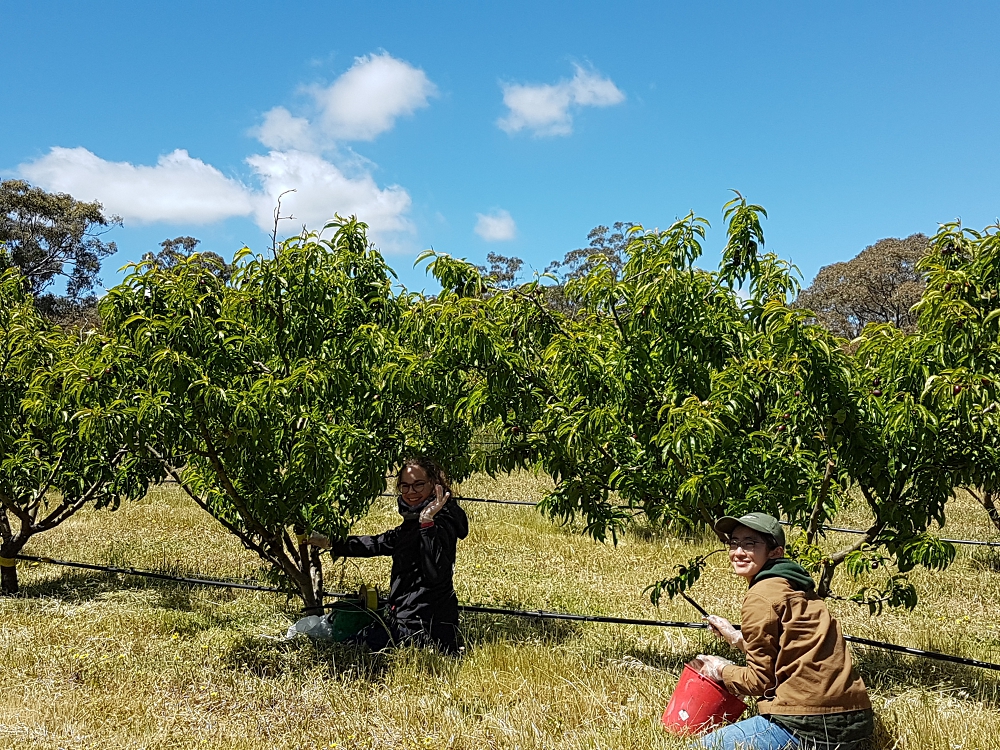
This job is simple and quick. It involves putting a sticky barrier around the trunk of the tree. This stops crawling insects from climbing into the tree without trapping or harming them.
It only takes a couple of minutes per tree and is one of the most important jobs we do for trees such as cherries and nectarines, which are attractive to fruit-eating pests like earwigs and garden weevils.
One of the tricks we’ve learned over the years is — don’t put it off! It’s best to get this job done nice and early before the earwigs are in the tree.
If you apply the sticky barrier after they’re in the tree, then you’re trapping them up there! It’s also a sticky job, so it’s definitely worth gathering a couple of buddies, getting hold of some disposable gloves, and going for it!
4. Watering your fruit trees
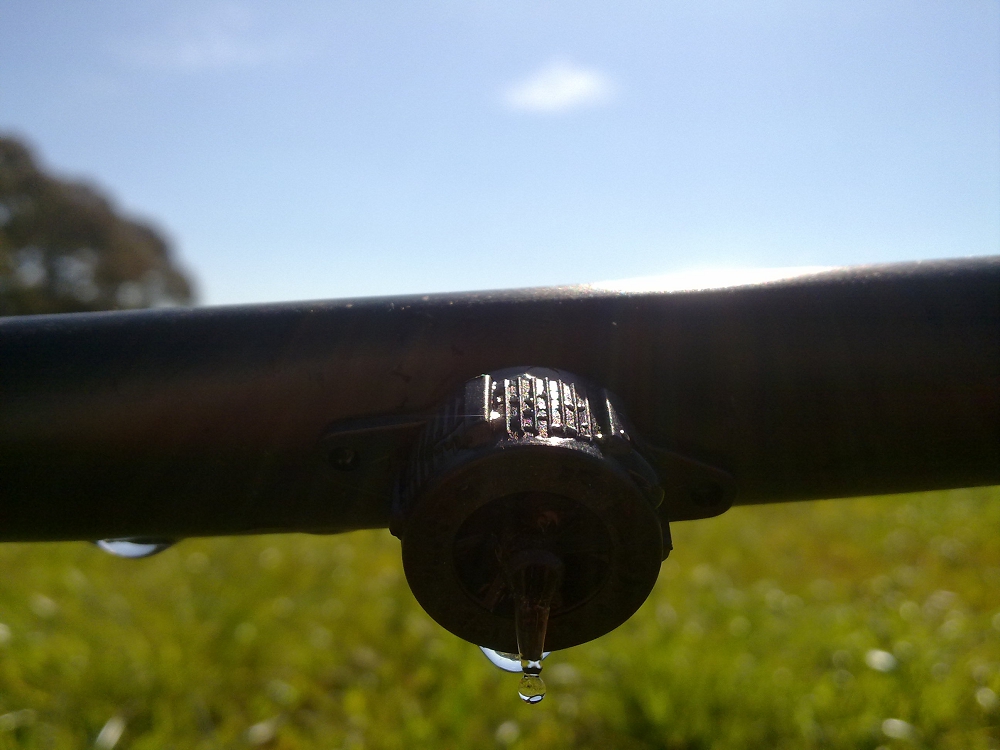
Watering itself needs to start happening as soon as the weather is warm enough and the soil dry enough to call for it. This will be different each year, but can be as early as mid-spring.
Before that, there are lots of little maintenance jobs that can be done in late winter. This means you get them out of the way before spring craziness happens.
It’s a really great idea to review and upgrade your system every year to make it easier and more effective.
For us, that includes:
- checking the pump and doing maintenance,
- checking and cleaning out all the filters,
- flushing out the irrigation lines in each orchard, and
- turning the system on and checking every dripper.
Admittedly, this is a job that’s much more pleasant to do in warm weather (yep, you’re gonna get wet…). From a time-management point of view, the earlier the better!
5. Fruit thinning
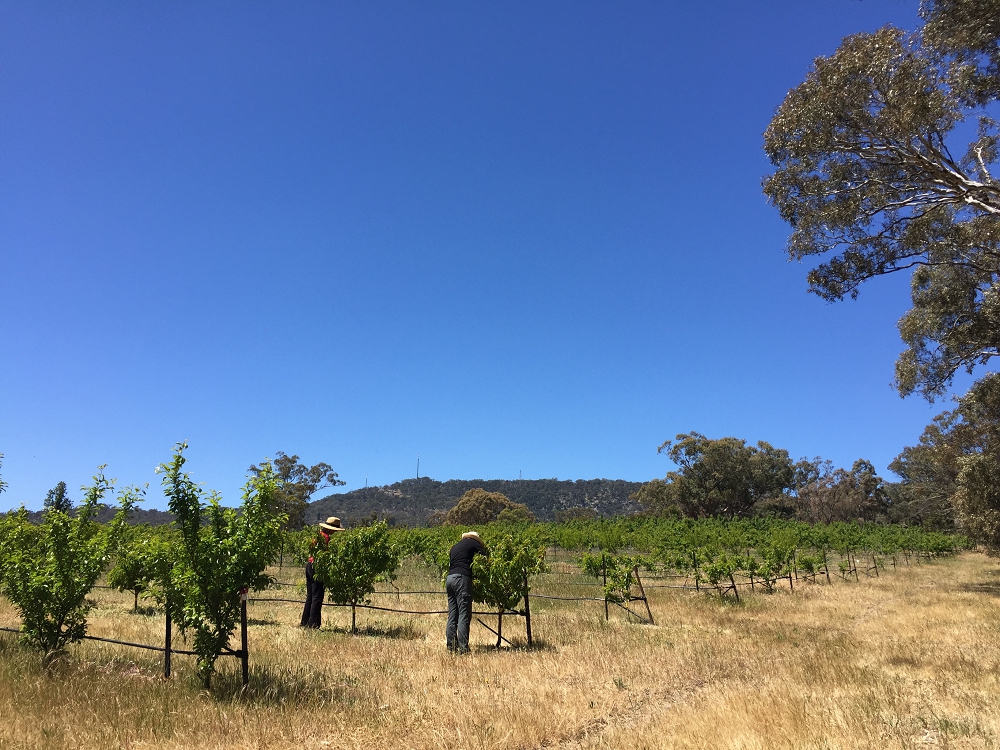
Fruit thinning is one of those jobs that you can’t start until the fruit is big enough, but as soon as you start it should have been finished yesterday!
Luckily, this job is also quite spread out and can be done in small, manageable chunks. At our place, there’s usually time to finish thinning the apricots by the time the peaches and nectarines are ready.
Then we move onto the plums, the apples, and the pears. It’s a big job because most trees need thinning (except cherries), and each tree can take a long time. It’s definitely one job where many hands make light work.
6. Netting fruit trees
There’s not much point in doing all these other jobs if you let the birds eat the fruit (and they will, they always do!).
So, as soon as the thinning and taping are done, it’s time to get the nets on.
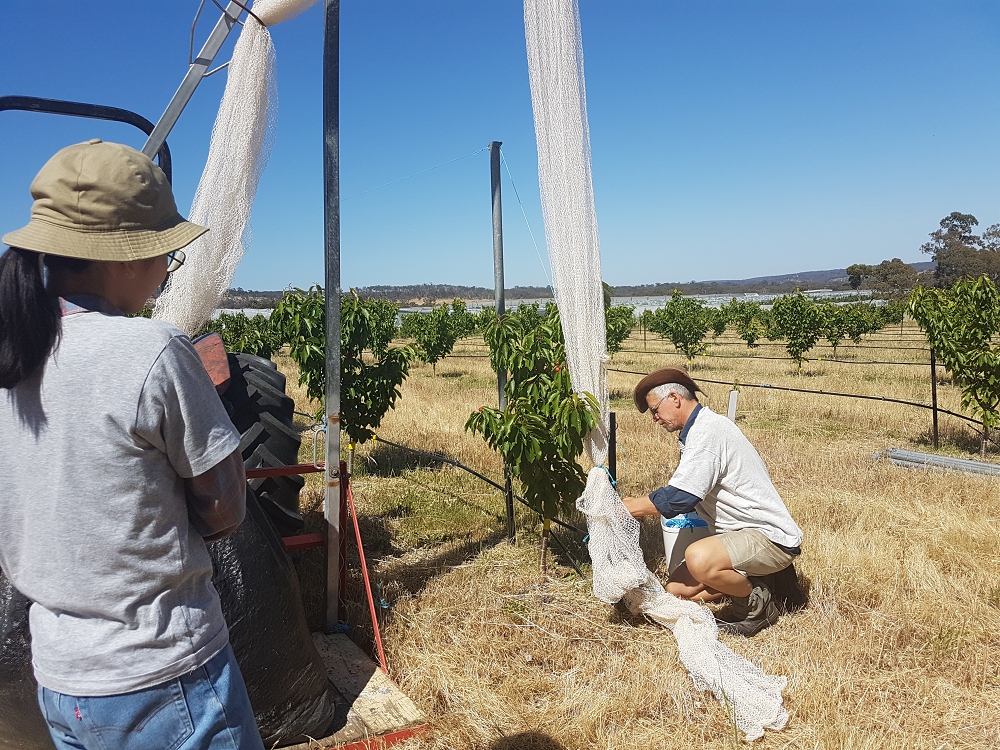
Netting is another team effort. For us, this means one person to drive the tractor forward to drape the net down over the row of trees and two to hold the sides of the net to spread it out over the trees.
Then we all help with tying the net down so the birds can’t get in underneath. Again, this job doesn’t take very long (only about 1/2 hour per row, plus the setting up time of getting the equipment and finding the right nets!).
7. Feeding the trees by feeding the soil microbes
In early spring, your fruit trees get their energy from the nutrients they stored in their bark, roots, and buds the previous season. As soon as that runs out, they need to be able to quickly access whatever they need from the soil via their roots.
That means you need to make sure the soil microbes are active and well-fed, so they can feed the trees.
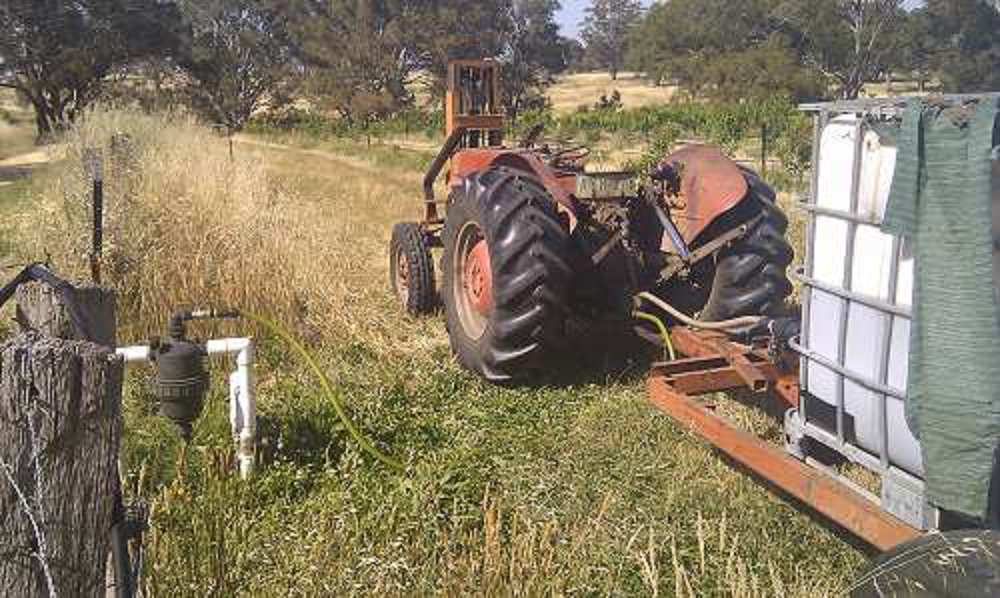
Compost tea, microbe foods, organic matter, and aged manure are all great things to use. Any or all of these can be applied from early spring onwards. At our place, compost tea is great because it is a liquid and so can be injected straight into the irrigation lines. (On a backyard scale, it’s an easy knapsack job.)
8. Monitoring for insects
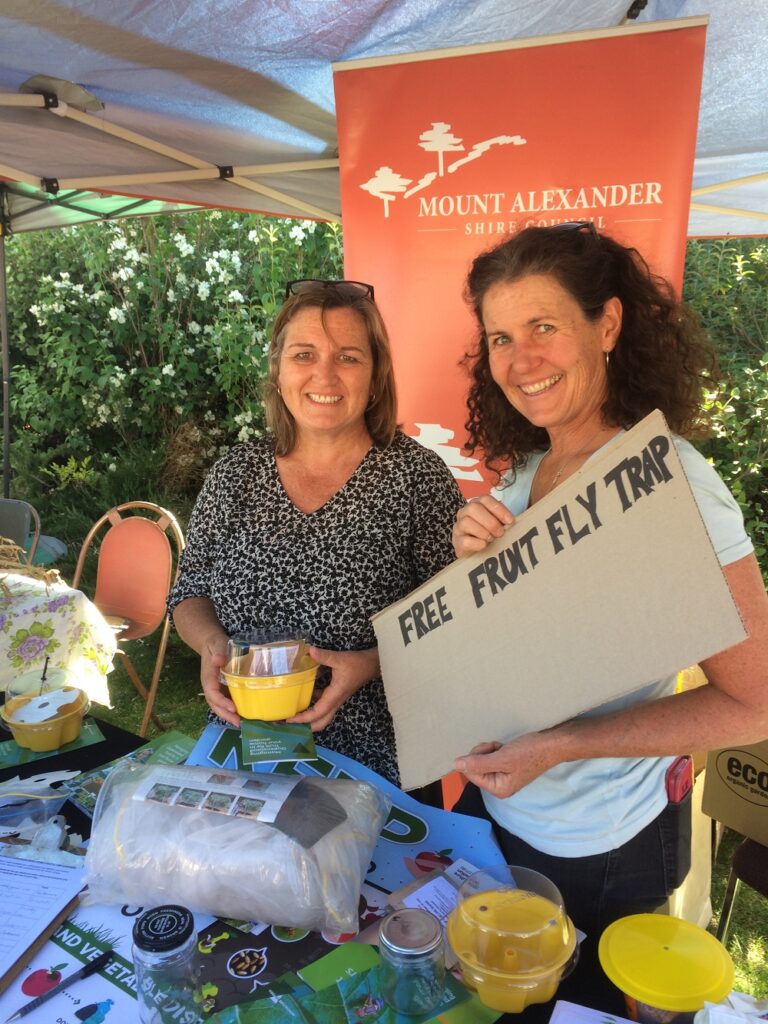
We’ve left one of the most important jobs until almost the end of the list! Early detection and rapid response of pests like Queensland Fruit Fly (QFF) can make a huge difference to the levels of damage you’ll experience. There are lots of different types of fruit fly traps available for monitoring; we like these ones because they can trap both male and female flies.
To give you a guide as to when QFF might be active, they’ve been spotted as early as July in Sunraysia, and August in the Goulburn Valley (both in Victoria, Australia). The earliest they’ve been trapped in the cooler climate of the Yarra Valley (also in Victoria) is around Christmas time.
If there are enough flies to be caught in traps, there’s a good chance they’ve already been active for 2 to 3 weeks before that, so vigilance is important!
9. Picking the fruit
After all that, it’s kind of a relief when the fruit starts ripening. For us, fruit harvest time is inextricably linked to the cricket season due to hours of listening to cricket in the packing shed.
After spring, the rhythm morphs into a steadier summer pace of picking and eating all that delicious organic fruit you’ve worked so hard to nurture.
At this time of the season, building up a fruit-picking diary can help you to focus your energy where it’s needed and keep track of your harvest.
The joy of having a plan for your fruit trees
Of course, there are always more jobs you need to be doing in your garden. Caring for fruit trees in spring can feel incredibly overwhelming, as if you’re not ever going to catch up.
This is made much worse by not really knowing what you should be doing or what you should be prioritising.
Want to know the solution?
Create a simple annual plan that you can follow each year. The easiest way to get going is just to start a diary, so at the very least, you’re writing down when you do things. Over time, you’ll gradually get an awesome plan in place that can guide you every year.
More resources about planning your fruit tree care
Do you want to know more about how to have a simple plan in place for your fruit trees? Your future self will definitely thank you when you’re picking bountiful crops of fruit from your trees, compared to the stress of forgetting to do the basic care your trees need.
🍑 Learn.Plan.Succeed — Create your fruit tree action plan. This is our 3-part live training series that helps you put a comprehensive plan in place for your fruit trees.
🍑 Grow a year’s supply of fruit — Avoid gluts and spread your harvest by growing the right varieties.
🍑 Home orchard design — Plan your fruit tree plantings for long-term success.
🍑 The miracle of fruit trees in spring
🍑 Saving heritage fruit trees by planting them
Related Articles
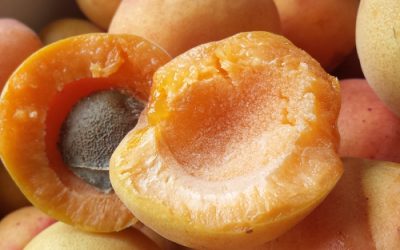
21 varieties of apricot trees: pros and cons
Apricot trees are loved by many people. But what are the pros and cons, and how do you choose one variety over another?

Five things we wish we’d known about fruit growing
We wish we’d known these five things when we started fruit growing to help us become better fruit growers faster.
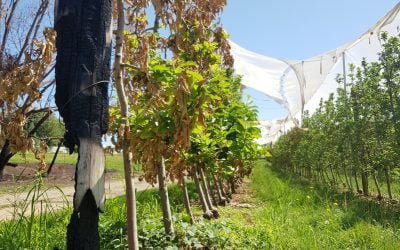
Can fruit trees survive a fire? (What we found out)
Natural disasters like fire and flood can have devastating impacts on farmers and home-fruit growers alike. Here’s one farmer’s story.
Hi, I just wanted to let you know how incredibly helpful your emails are to us! we only have about 20 mixed fruit trees and learning something new all the time – getting there slowly but surely, thanks to you!
Cheers!
Renea
We’re so glad you find it useful Renea, thank you for the feedback! Meg – Grow Great Fruit team.