Estimated reading time: 7 minutes
Early summer is a beautiful time of year on the farm. The green of spring is still lingering in the paddocks, the trees all have a flush of new growth, and there’s plenty of fruit on the trees.
But there can also be spells of hot weather, and the landscape can change dramatically as only the Australian bush can. It can go from lush and green to crisp and brown in a few days.
We thought we’d give you a tour of the Grow Great Fruit HQ garden so you can see what it looks like before summer hits and things get crispy. Looking at other people’s gardens is a hobby of ours, so it only feels fair to give you a tour of ours!
The joy of having a lush green garden
We’re surrounded by green all summer, even though the paddocks go brown all around us. In the old-fashioned style, our orchards, veggie patches, and nursery surround our house.
We see green in every direction we look, with the dry bush beyond. In the middle of a hot, dry, Australian summer, this is a little oasis.
Where we live is completely embedded in where we work, which is a good thing in many ways.
We don’t have far to go to get to work, and we’re very connected to what’s going on in nature. Having an irrigated orchard around the house gives us some welcome protection from heat and bushfires.
It’s also an important reflection of the way we choose to live. We try to create the type of environment we want to live in, which is beautiful, healthy, and feeds us as much as possible.
We thought we’d take you for a tour around the garden, to show you what happens at the change of seasons.
First stop – the vegetable garden
The first stop is the veggie garden. We have a dedicated (chicken-protected) patch for growing veggies, but it also spills over into the fruit tree nursery.
Merv (Katie’s Dad) is an expert vegetable grower and reigns supreme in this part of the garden. He fills every gap in the nursery with thriving veggies, which tops up our summer supply.
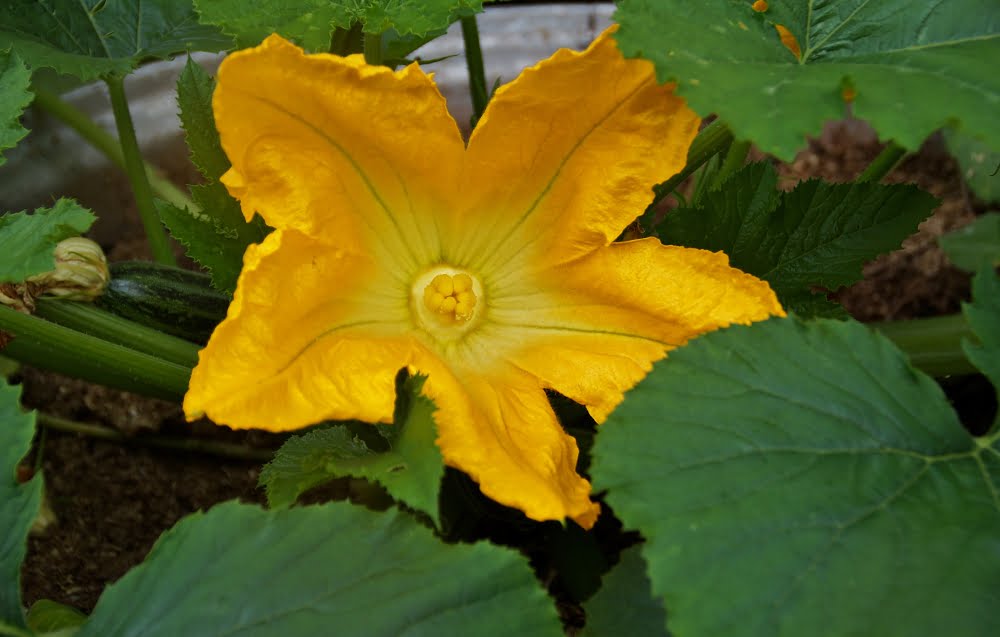
Zucchinis are usually one of the first to ripen, with the promise of plenty more to come. No one ever complains about not having enough zucchinis, right? That’s certainly true for us. Once they start, they’re coming out of our ears all summer.
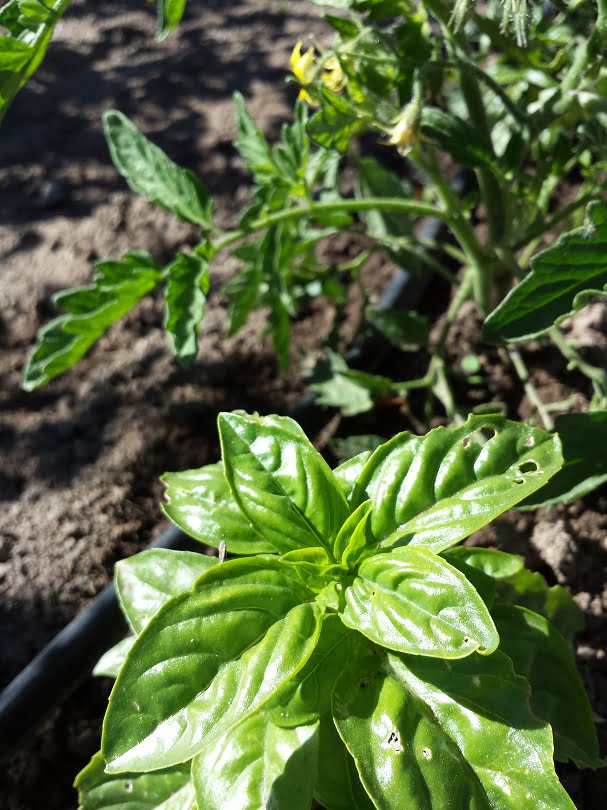
The tomatoes are flowering, and the basil is big enough to start pinching bits for salads. We always interplant them because they seem to be good neighbours in the garden, as they are in the salad bowl.
We grow enough tomatoes each year to eat all summer and to bottle for cooking in winter.
By the start of summer, we’re usually down to the last few jars in the pantry. If we’ve run out, we know we didn’t do quite enough last year. That’s one of our autumn jobs…
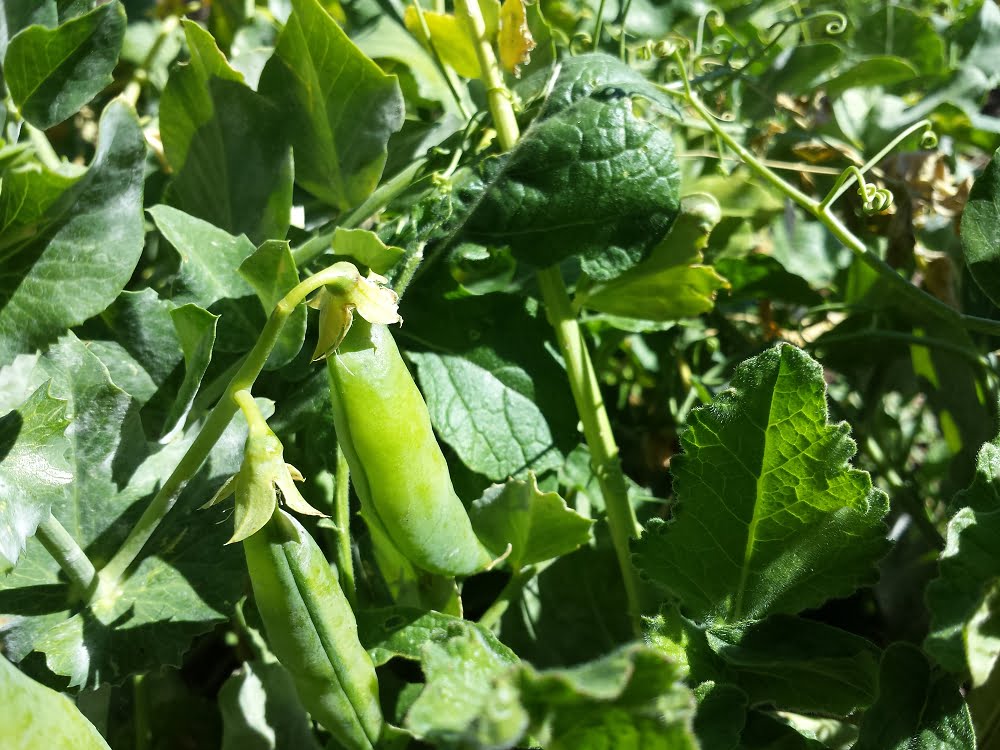
The peas have just about finished by this time of year. We usually pick a few buckets of peas, which are eaten fresh and frozen for winter cooking. Any that are accidentally left on the bush too long and go woody become treats for the chooks, so they’re not wasted.
Chickens are an important part of the garden
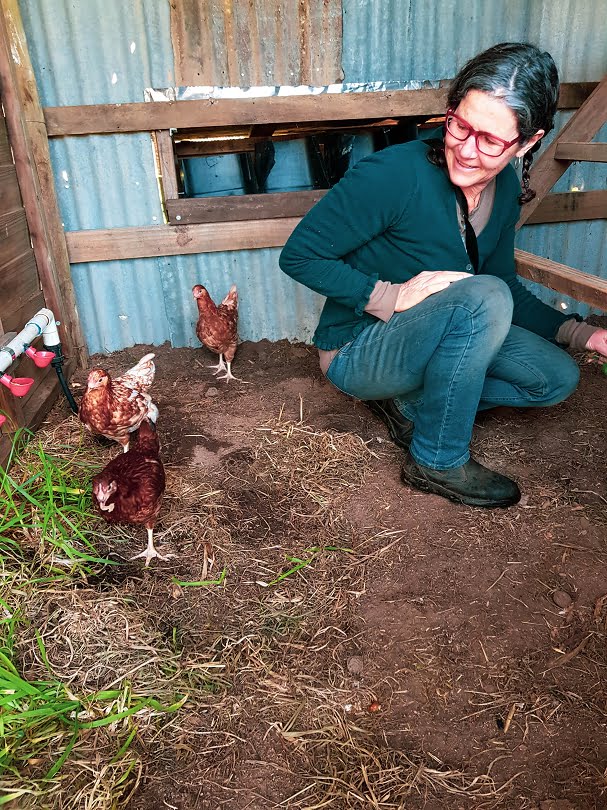
Speaking of the chooks, our chicken house is very close to the house, so that feeding them and collecting the eggs isn’t a big chore. We often have new chickens hatch in the spring.
By the time they are about half-grown, they’re starting to eat quite a lot, which is lucky because they’re an integral part of our pest management system.
They play a key role in the family, helping to dispose of any fruit or vegetable scraps we can’t use. In return, they give us eggs and the aforementioned pest control.
A check-in with the fruit trees
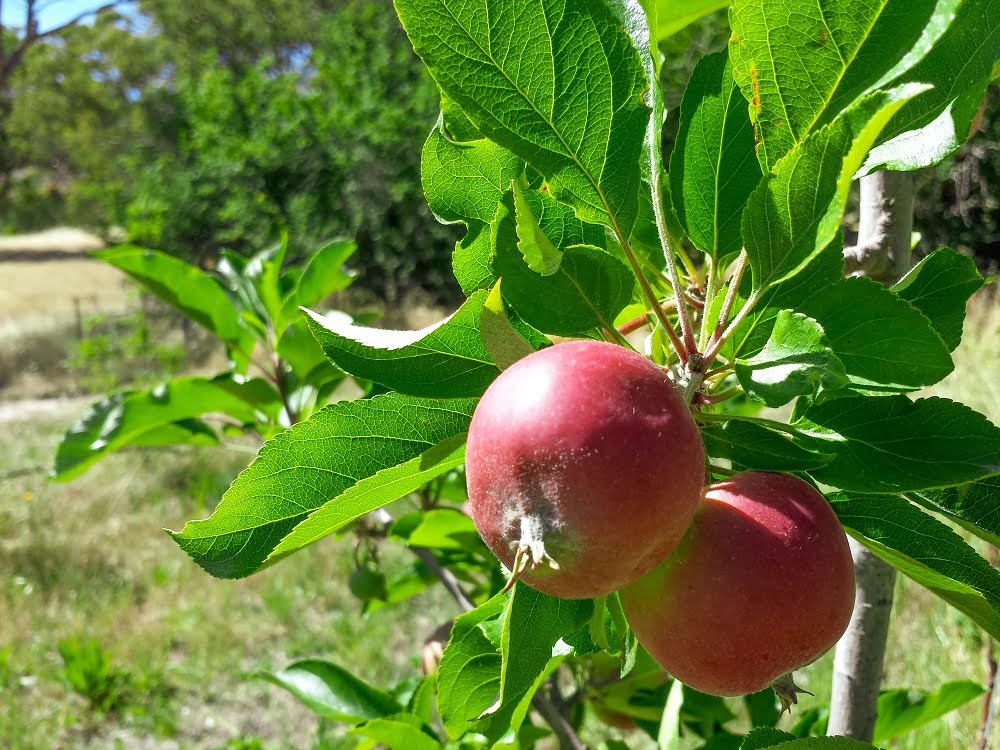
The apricot season is notoriously dodgy. A wet spring will usually mean a reduced crop. The beauty of growing lots of different varieties of apricot (we have about 14) is that if one variety fails, another will usually have fruit.
We’ve had many, many years when the apricot crop has been challenged by weather, which often leads to the job of removing diseased wood at summer pruning time.
Despite frequent losses, we’ve always had at least some apricots to eat (and preserve) every year. It’s a wonderful demonstration of why diversity in the garden is your best guarantee of food security!

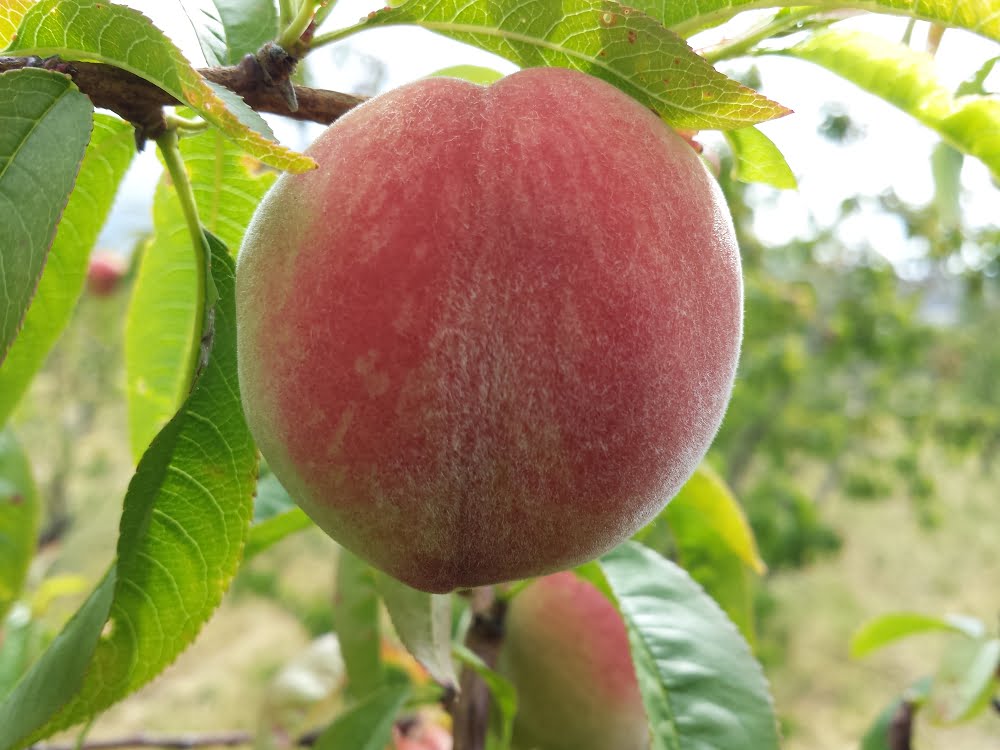
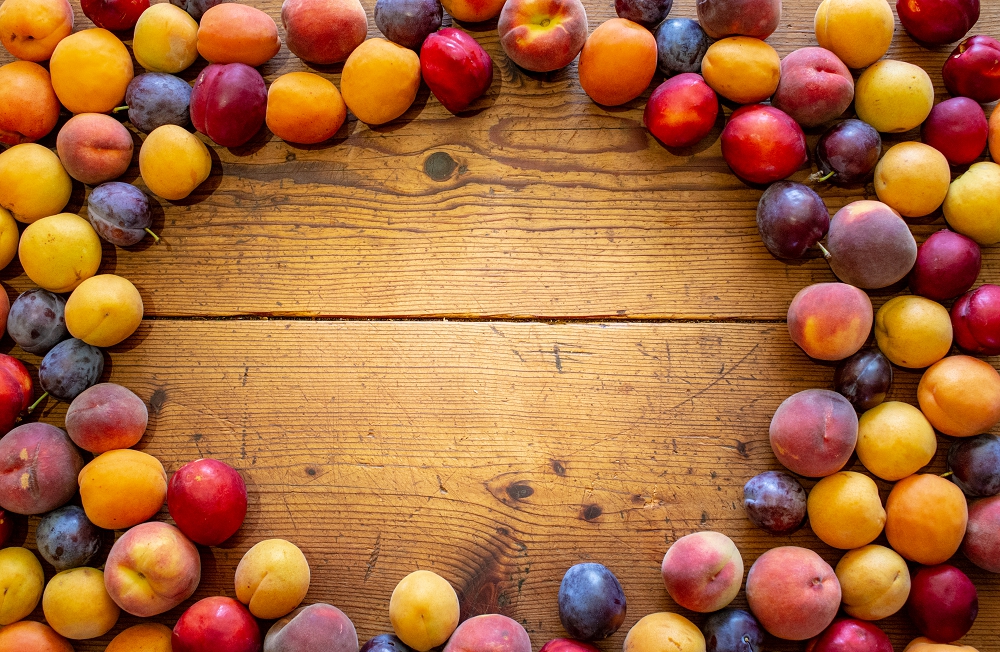
Meanwhile, the first variety of peach (at our place, this is the Anzac variety) is starting to colour up and get close to being ripe in early summer.
How mouth-watering does this look?
Fruits that ripen in early summer
Cherries, loquats, strawberries, raspberries, blackberries, and citrus are also ripe and ready to eat in late spring/early summer.
Even though it’s still very early in the season, we love the fact that we already have so many choices of fruit to eat.
We’re grateful that we learned about permaculture soon after we moved to the farm. It made us think differently about how we grow our food.
It also made a massive difference in how we designed our gardens, chicken system, and fruit trees.
Our garden’s not perfect, but it is productive!
Want to learn more about how to plan your garden?
Planning for a productive garden that’s also nice to live in can be a challenge, but we have some resources that might help with that!
🐤 Learn.Plan.Succeed: Create Your Fruit Tree Action Plan
🐤 What is permaculture and why does it matter to fruit growers?
🐤 Introduction to Permaculture Masterclass
🐤 Three ways to maximise your harvest
🐤 Will subtropical fruit trees work in your garden?
Related Articles
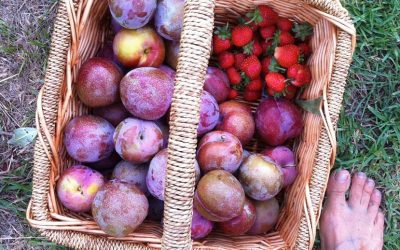
Five ways to lead a more organic lifestyle
Five simple tips to help you live a more organic lifestyle and improve your health without breaking the bank.
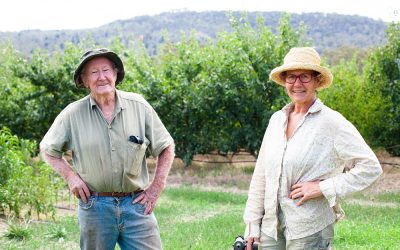
Where to get fruit trees (and how nurseries work)
Our goal is to send our organic fruit trees to good homes (and gardens) far and wide. There’s always room for one more fruit tree, right?
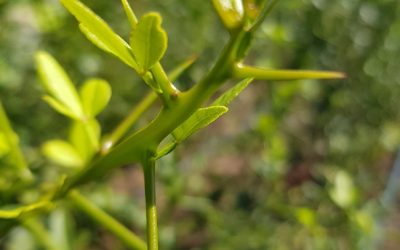
Grafting citrus – ouch!
Grafting citrus is a great way to change varieties or create a new tree, as long as you can avoid those potentially painful prickles.
My Anzacs are way behind yours. The earliest fruits for me in central west nsw are Alpine Strawberries and Greenfinch Gooseberry.
Hey RAD – good example of how climate (and indeed microclimate) can influence ripening time. Good call having the early fruits coming on while you’re waiting for the peaches!
My one and only apricot tree, that’s not in the small netted orchard, got ‘eaten’ by the kangaroos last year – they munched on all the leaves which left our tree quite bare and struggling for it’s life! I have layered on sheep pooh and lucerne hay, sprayed it’s few remaining clump of leaves with ‘Eco Vital’, plus watered that in….and other loving therapies to get the tree back…and sure enough, this spring (here in the South West), the tree produced quite a few clusters of new leaf growth…but of course no flowers. I’m just happy it’s making a comeback! My question is should I prune out the dead wood that hasn’t produced any growth now, or wait till the end of summer? Question 2 – how do I keep those pesky ants away from my ripening Nectarines (and my olives) which are in the netted orchard – No birds….but now there are ants!!! It never ends!!! Thank you for your comments.
Hi Mary Ann, well done on saving the tree! Yes sounds like you may as well prune out any wood that’s dead now – just check under the bark to make sure it’s brown and dead. If it’s still green then leave it for this season so see how it responds. Ants are easily excluded with a sticky barrier around the trunk of the tree as they have to crawl up the trunk to get in! We cover some of this stuff in our organic pest control workshop – it’s free, and you can register for it here: https://growgreatfruit.com/pest-and-disease-webinar/
Our fruit in Tasmania are a long way from ripening this year as it has been quite cool. The raspberry farm at Westbury did not have many to pick right up until Christmas. I have a huge crop of apricots this year and apples, I have thinned but still have a huge crop. We had winds up until Christmas and rain and as the wind which was constant it did a wonderful job of drying out the tree leaves so hopefully disease will not be a problem. I have found your constant info very helpful although I have had a garden constantly in my 76 years.
Our season is two to three weeks behind here in our part of Victoria too this year, we are still picking cherries out on the farm. Thank you so much for your kind words Mary, fingers crossed you have abundant rot free apricots this year!!
Jill – Grow Great Fruit Team