Hearing farmers talk about what’s involved in growing food can teach you a lot, especially if you’re interested in self-sufficiency.
You might be wondering what this has to do with growing fruit in your own backyard?
The truth is, home growers and farmers face many of the same challenges — weather, pests, soil health, and uncertainty. The difference is that farmers have had to figure out what really works.
Lessons from farmers for backyard growers
You’re probably interested in growing your own food, but maybe you don’t have much experience (yet!).
Hearing the collective wisdom from farmers who have been doing it for years can shine a light on both the challenges and the highlights.
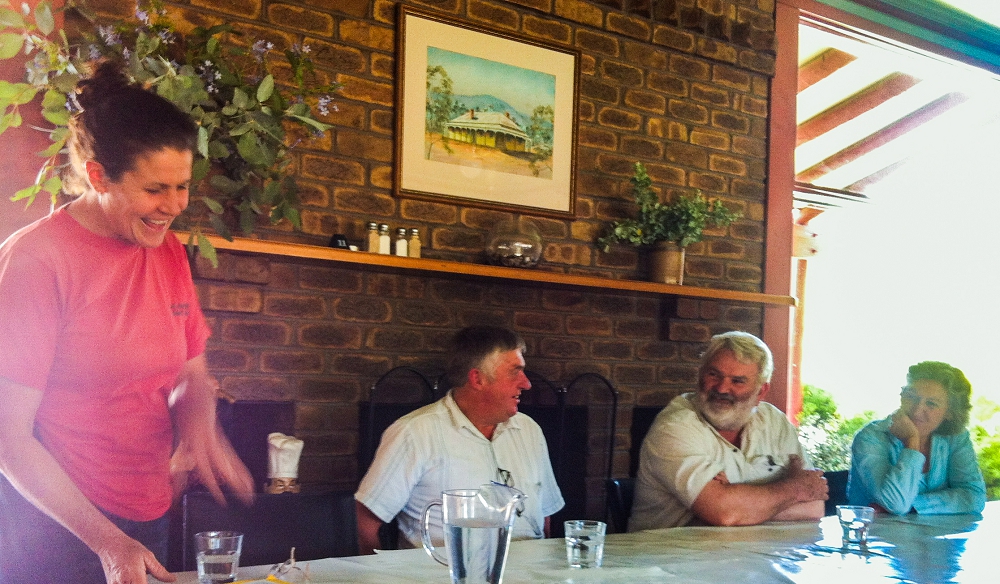
We wanted to capture some stories from real farmers to share with you, so we set up a “Meet the Farmers” forum at the Harcourt Applefest, which is the annual food festival in our town.
Farmers are often portrayed in the media either as ‘whinging’ or as heroes battling various disasters, but the reality is usually somewhere in between.
One of the constants in farming is that things change. Since this event was held, we’ve lost 3rd-generation orchardist Rob Chaplin, and the wonderful Holy Goat cheese has closed its doors. We’re so glad we captured their wisdom and insight while we had the chance, and can share their words with you.
So, what’s really involved in growing food, and what can backyard growers learn from farmers?
Farmers talking about very different farms
Our district includes a wide diversity of mixed farming, including horticulture, cropping, livestock, and dairy. The panel included three well-respected local farmers: a winemaker, an organic goat cheesemaker, and a large family orchard.
They were each asked to share their highlights and lowlights with the audience. We know first-hand how hard farming can be, and also how rewarding it is when everything goes well.
But beyond the day-to-day concerns, farmers often seem to feel a deep and unexplainable attachment to their land, which keeps them going through hard times. It was intriguing to hear each of them express those deeper feelings.
And when you listen closely, there are some powerful lessons for anyone growing food — even on a backyard scale.
A typical day on the farm
All three were asked about a typical day on their farm in their busy season. Carla Meurs from Holy Goat Cheese went first. She left everyone feeling exhausted and in awe of the amount of work she and her partner, Anne-Marie, do during the kidding season.
Their day starts at 4.30 am with the first milking of the day. It proceeds through myriad jobs until the final checking of the new mums late at night. The next day, they get up and do it all again.

Ken Pollock from Blackjack Wines was next.
His day was also extremely full, though it didn’t start quite as early. Ken described the amount of detail involved in organising pickers and getting the grapes into the shed in good condition. Each variety must be picked at the optimal time, and the weather can often add extra pressure on getting crops off in a hurry.
At the same time, the never-ending job of keeping an eye on numerous batches of fermenting wine doesn’t stop for harvest.
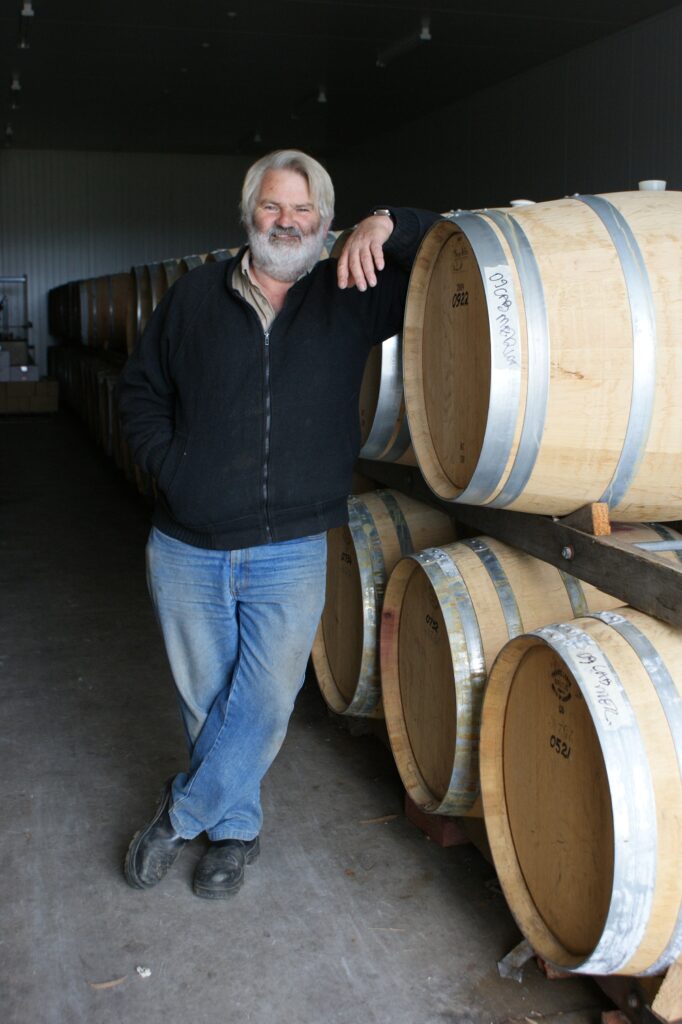
Rob Chaplin from Chaplin Orchards was the last of the farmers to share his experience of a typical day at the height of the season.
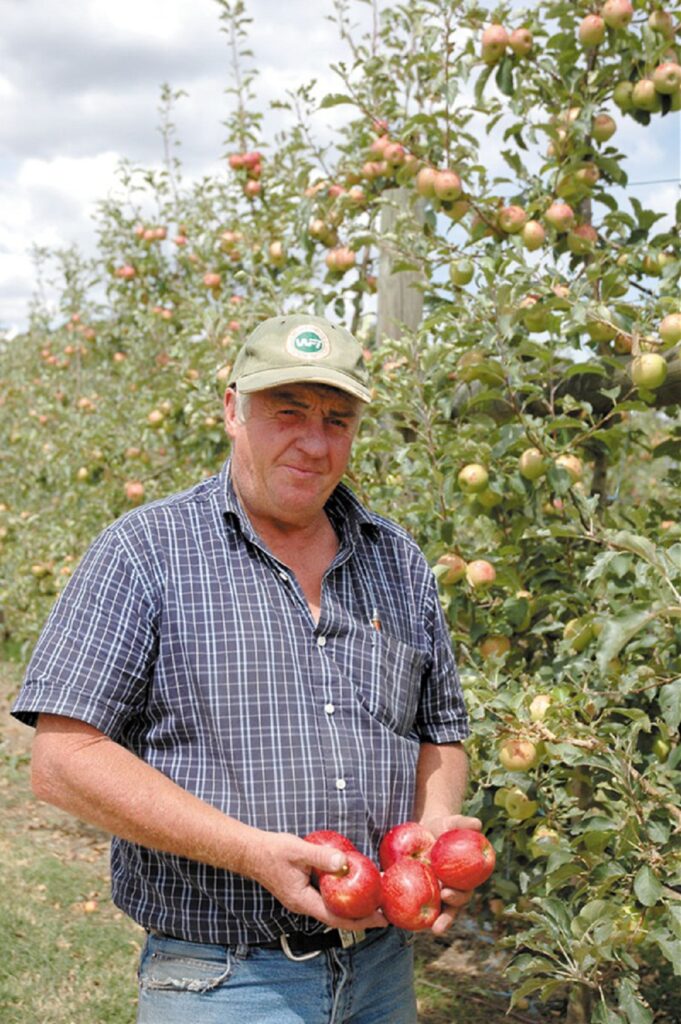
Rob described a demanding day that involved keeping track of the thousand details that growers hold in their heads during the picking season. A lot of his time is taken up organising pickers and making sure they’re kept busy all day. He also has to make sure bins are in the right place at the right time.
The day finishes with ensuring all the picked fruit ends up in the coolstore by the end of the day, and that all the appropriate paperwork is done. Phew!
🌱 What home fruit growers can learn from this
There’s no substitute for real experience. The more time you spend observing your trees and learning from each season, the more confident (and capable) you’ll become.
The challenges of growing food in a variable climate
We’ve experienced no shortage of environmental disasters in our hometown in recent years.
There have been floods…
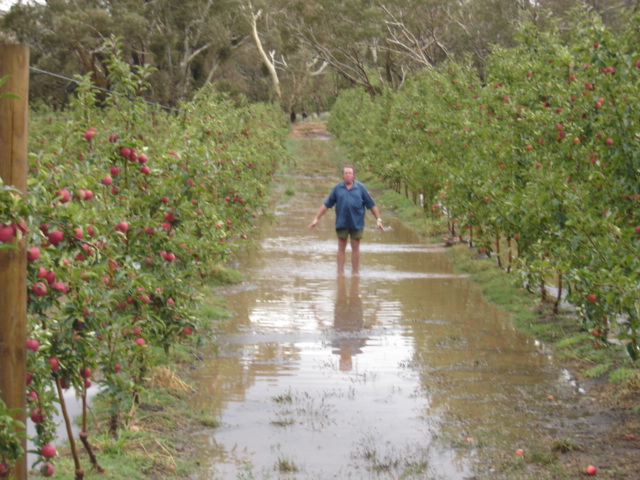
the millennial drought, which lasted for 10 years …
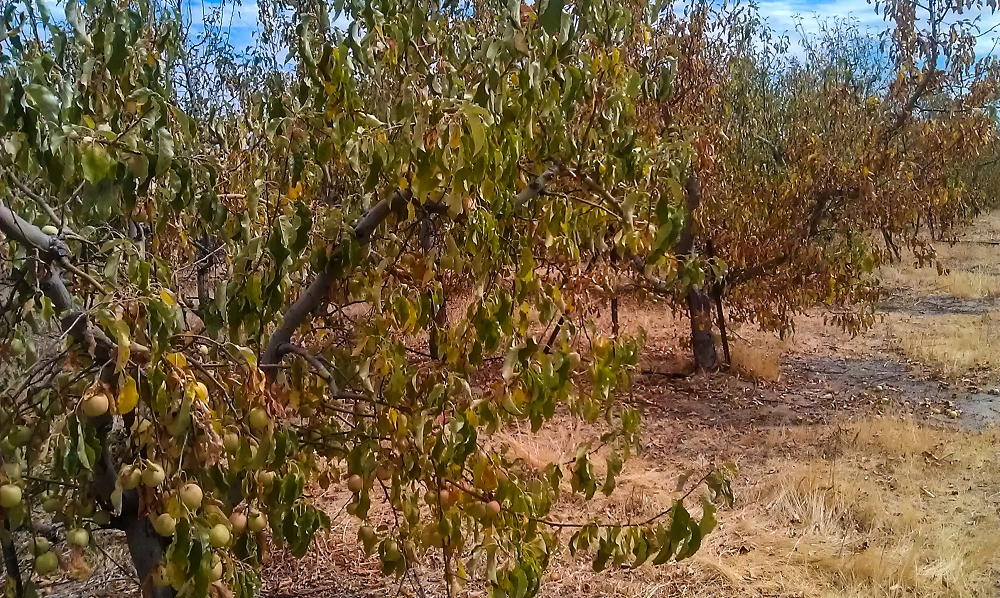
and numerous hailstorms.
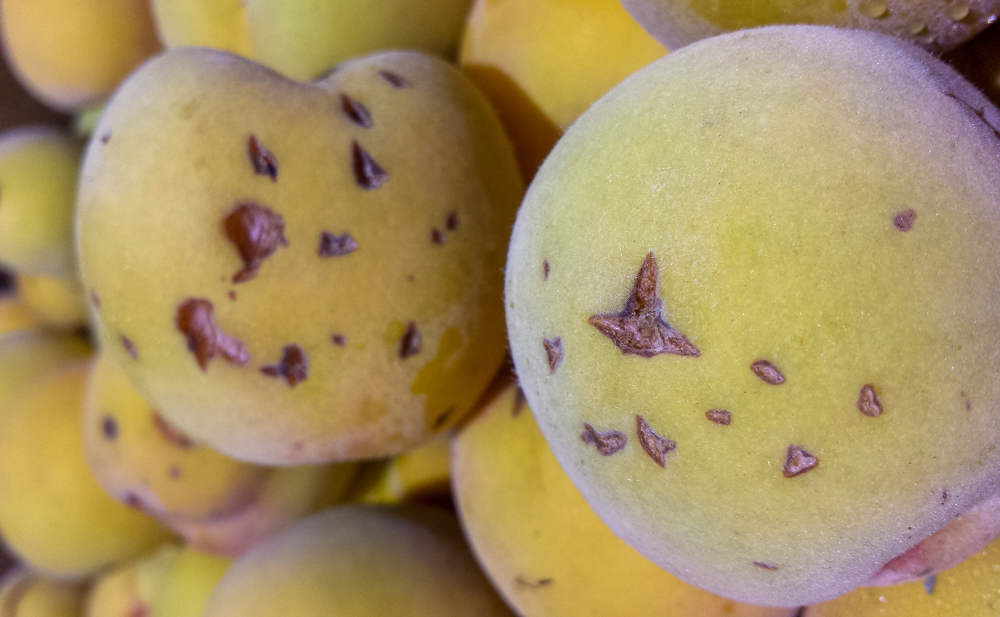
How do goat dairy farmers deal with a drought?
It was fascinating hearing how each of the farmers has approached some of these challenges.
Carla’s main focus was on the reduced rainfall they experienced at the farm during the drought. Lack of pasture growth made it extremely hard to keep up a good feed supply for the goats.
Farming in a dry environment has led to innovations in planting alternative food crops for the goats. They’ve also worked on increasing biodiversity in the paddocks. Carla and Anne-Marie have worked hard to restore native pasture which is more resilient in extreme weather conditions.
The strategy has worked well for them so far. In the face of the increasing effects of climate change, it still has plenty of potential in future years.
🌱 What home fruit growers can learn from this
You can’t control the weather, but you can plan for it. Diversity, good design, and healthy soil all help your trees cope when conditions aren’t ideal.
Coming up with solutions
Rob spoke of the pain of losing apples to both hail and marauding birds. This situation prompted him and his brother Trevor to make a large investment in netting and equipment.
Ken’s biggest challenge has been the frustration of years of coping with the drought. This was followed immediately by the wettest year on record. These wildly varying weather conditions lead to a lot of issues with maintaining consistency and quality in the grape crop.
Another challenge in both the wine and fruit industries is kangaroos. Harcourt is surrounded by bush, which is home to hundreds of kangaroos. The kangaroos are attracted to the available water and plentiful feed on farms, and do significant damage to crops. Ken and his business partner Ian made the big decision to invest in kangaroo-exclusion fencing around their entire property.
🌱 What home fruit growers can learn from this
Things going wrong isn’t a sign you’ve failed — it’s a normal part of growing food. The key is to expect it, learn from it, and keep going.
Farmers talk about their passion for the land
The forum ended with each farmer explaining why they do what they do and what they love about it. This is where the session (and the farmers) really came alive.
It was very special to hear them speak with absolute pride about their products. They each described a strong sense of belonging to their land.
Carla described the sounds, look, and feel of her farm on a crisp winter morning when she heads out from the house to the milking shed and her pleasure at being warmly greeted by the goats. It was absolutely beautiful.
For both Ken and Rob, knowing their produce is enjoyed by people around Australia was a source of tremendous pride.
It inspired them to do better, learn more, and achieve an even better result for their customers.
🌱 What home fruit growers can learn from this
When you grow your own fruit, you start to see food differently — not just as something you consume, but something you care for, season by season.
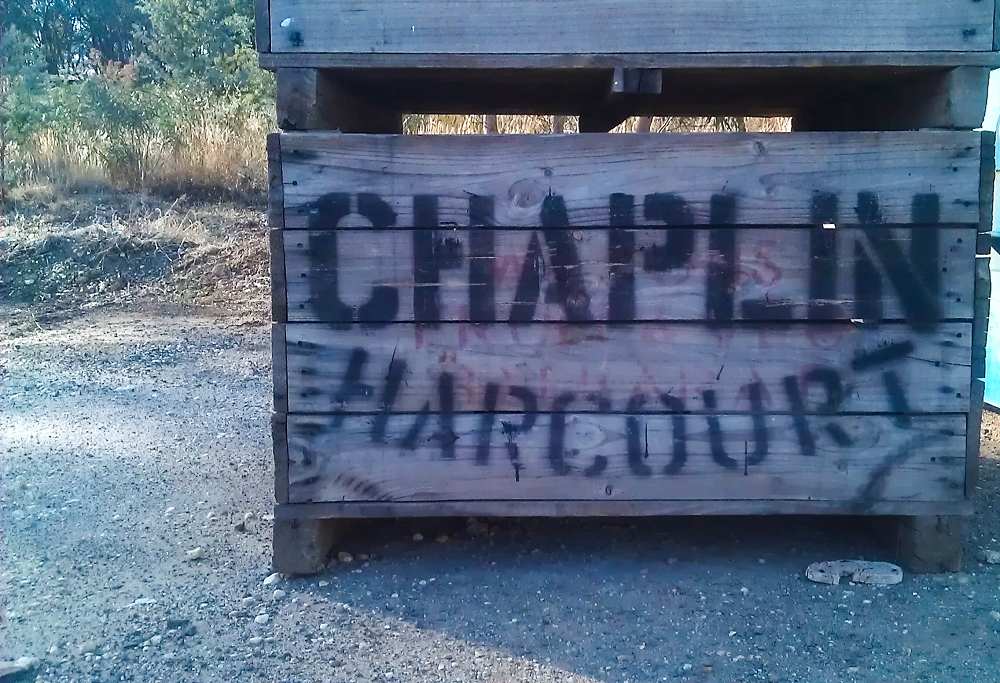
Farmers are often very sparing with their words. Sharing their feelings often doesn’t come easily. There is something very touching about hearing them struggle to find a way to express their feelings about farming.
But we’re so glad they did.
Hearing a farmer put words to their feelings gives us a deeper understanding of what motivates them and explains why they keep going despite the many challenges. It’s an absolute privilege to share their stories.
🌱 What home fruit growers can learn from this
The goal isn’t to control everything — it’s to understand enough to work with nature, not against it. Every season is a chance to get better. Small improvements — in pruning, watering, or timing — add up to big results over time.
The more you understand how food is really grown — and the realities farmers deal with — the better decisions you’ll make in your own garden. And that’s when growing fruit becomes not just more productive, but a whole lot more satisfying.
What’s the best way to learn about fruit growing?
We’re so glad you asked this question! This is a topic that fascinates us, so we have lots of resources to help, no matter what your learning style!
👩🏼🌾 The Grow Great Fruit membership program includes e-lessons, PDFs, audio classes, photos, videos, online forum, and live one-on-one sessions.
👩🏼🌾 Learning from other fruit growers
👩🏼🌾 Are workshops the best way to learn about fruit growing?
👩🏼🌾 Learning about fruit growing in America
Related Articles
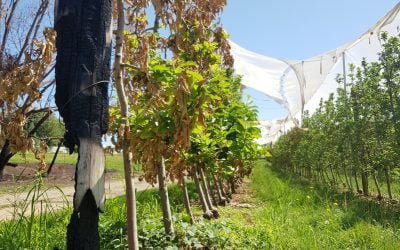
Can fruit trees survive a fire? (What we found out)
Natural disasters like fire and flood can have devastating impacts on farmers and home-fruit growers alike. Here’s one farmer’s story.
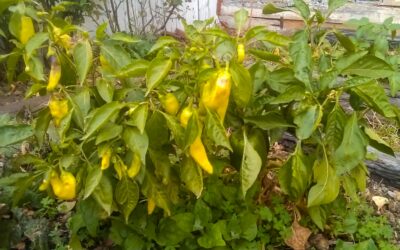
How (and why) to eat local food
The best local food is home-grown, right? But if you can’t grow everything, we give you tips for sourcing food that’s grown close to home.
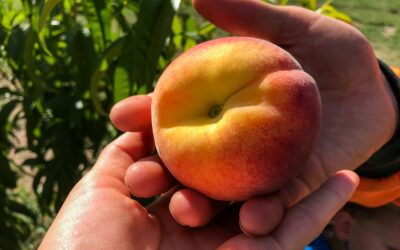
What’s the best fruit to grow in your garden?
Naming a favourite fruit is as hard as picking a favourite child. Learn to love a wide variety and there’s no need to choose favourites.