Estimated reading time: 6 minutes
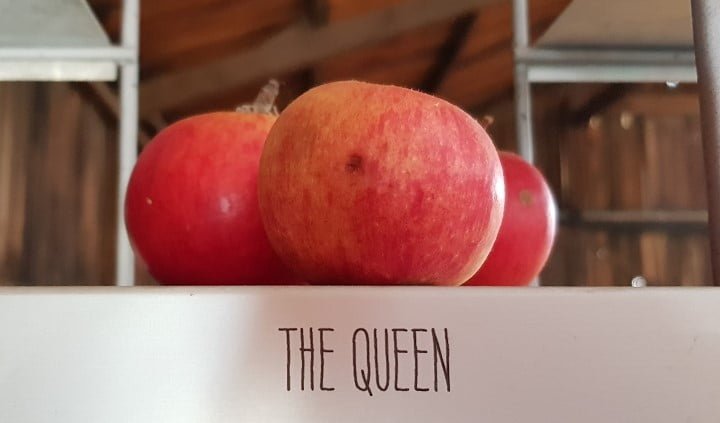
Here at Grow Great Fruit Central, we LOVE heritage and heirloom apples. In fact, we’ve planted a whole orchard to build a collection and preserve as many as possible.
The really exciting thing about the heritage orchard is the diversity of apples that we’ve planted.
We’re aiming for at least 100 varieties. At the moment, there are about 85, with more going in each year.
So, why so many varieties? And why are we focusing on heirloom varieties that no one’s heard of, and hardly anyone grows?
What’s an “heirloom” apple anyway?
The word “heritage” is sometimes interchanged with “heirloom” (and occasionally “antique”), but what does it really mean? What makes an apple (or any other fruit) “heirloom” or “heritage”, and how old does a variety need to be to count?
According to Wikipedia, an heirloom plant is “an old cultivar of a plant used for food that is grown and maintained by gardeners or farmers, particularly in isolated or ethnic minority communities of the Western world.”
That pretty much fits the bill, but it’s hard to find a firm definition of exactly how old an “old cultivar” has to be to qualify as an heirloom apple.
Without going too deep into the issue, we can probably agree that it refers to apples that can be traced back at least 50 to 100 years.
Why grow heirloom varieties
Growing heritage varieties fits with our philosophy in a number of ways. We’re on a mission to teach as many people as possible how to grow their own organic food, so the heritage orchard will be a great teaching resource.
The more varieties we grow, the more we learn (and the better the advice we can offer) about early, mid-season, and late varieties, disease resistance, and how different varieties respond to climate events.
We’re always keen to extend the length of the growing season. The longer you can harvest fresh fruit (and vegetables, for that matter) from your garden, the less time you’re relying on supply from elsewhere.
Building a collection of heirloom varieties also further increases the diversity (as opposed to monoculture) on the farm, something we aim for at every level. We’ve learned the hard way that it’s our best protection against the risks of farming.
And that’s just the beginning! We also value our growing collection because:
- We love having more variety on our table and in our diets.
- It will help to preserve heritage varieties that are currently in danger of being lost completely.
- It will give us a better diversity of apples that are suited to eating, cooking, juicing, and cider.
Why do heirloom apples matter?
One of the many reasons that heirloom apples matter to us is that they are great community builders! Protecting heritage varieties is the kind of project that people can get behind.
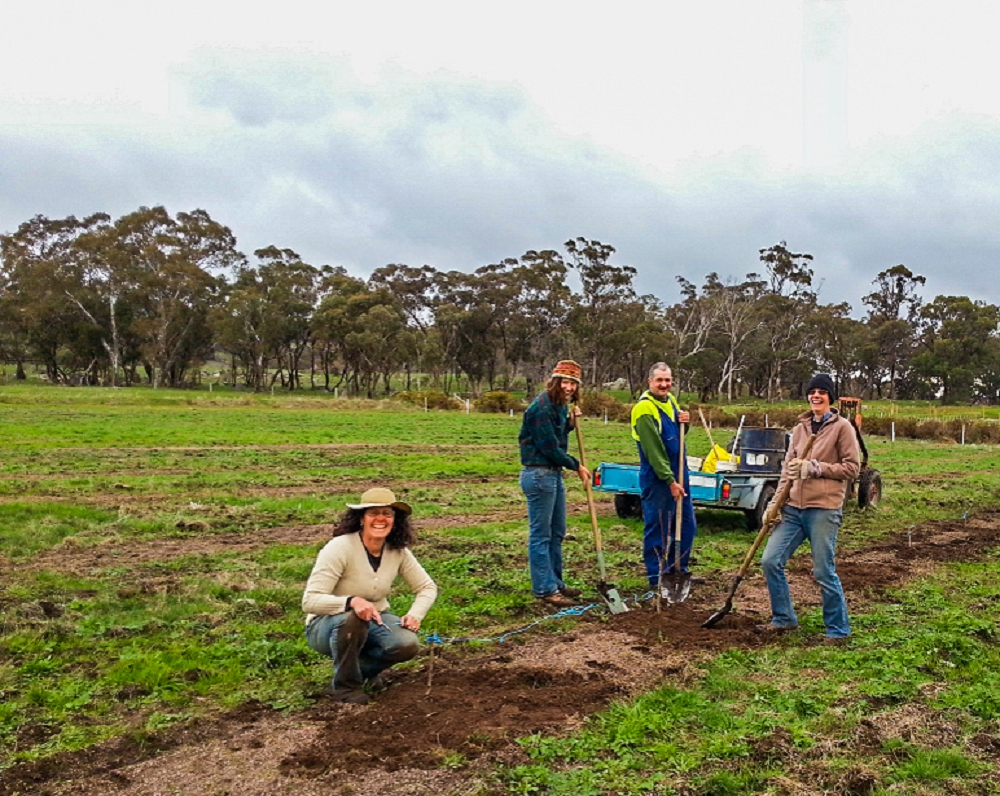
Some important people helped us get the heritage apple venture off the ground, including the lovely Smith family (pictured below). Sue Smith was a huge supporter of our farm and roped her whole family into enthusiastically helping to plant the trees before she sadly passed away. We think of her often when we’re in the heritage apple orchard.
Choosing the right variety of heirloom apple
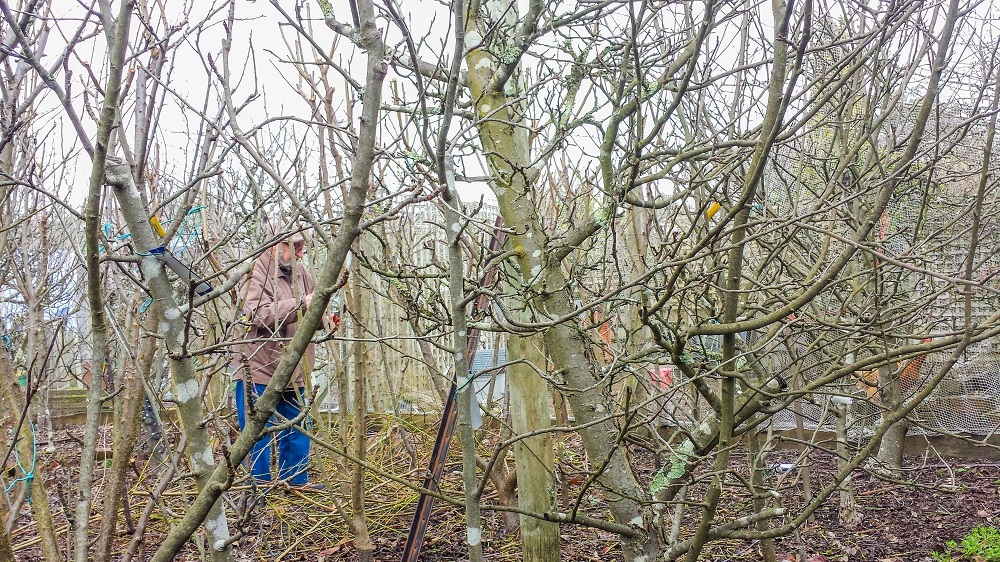
When it came to deciding which varieties to plant, we needed help. Keith Robertson, from the Creswick Garden Club is a collector with the most amazing collection of more than 700 apple varieties in his suburban backyard in Creswick.
He was generous enough to let us follow him around for a wonderful day, gathering scion wood for grafting. We only had room to take a fraction of his collection, but he thoughtfully followed our brief that we wanted varieties that (a) he knew something about (whether they’re for eating, cider, or cooking) and (b) would extend our season by being earlier or later than existing varieties that we grow.
Do heirloom apples taste better?
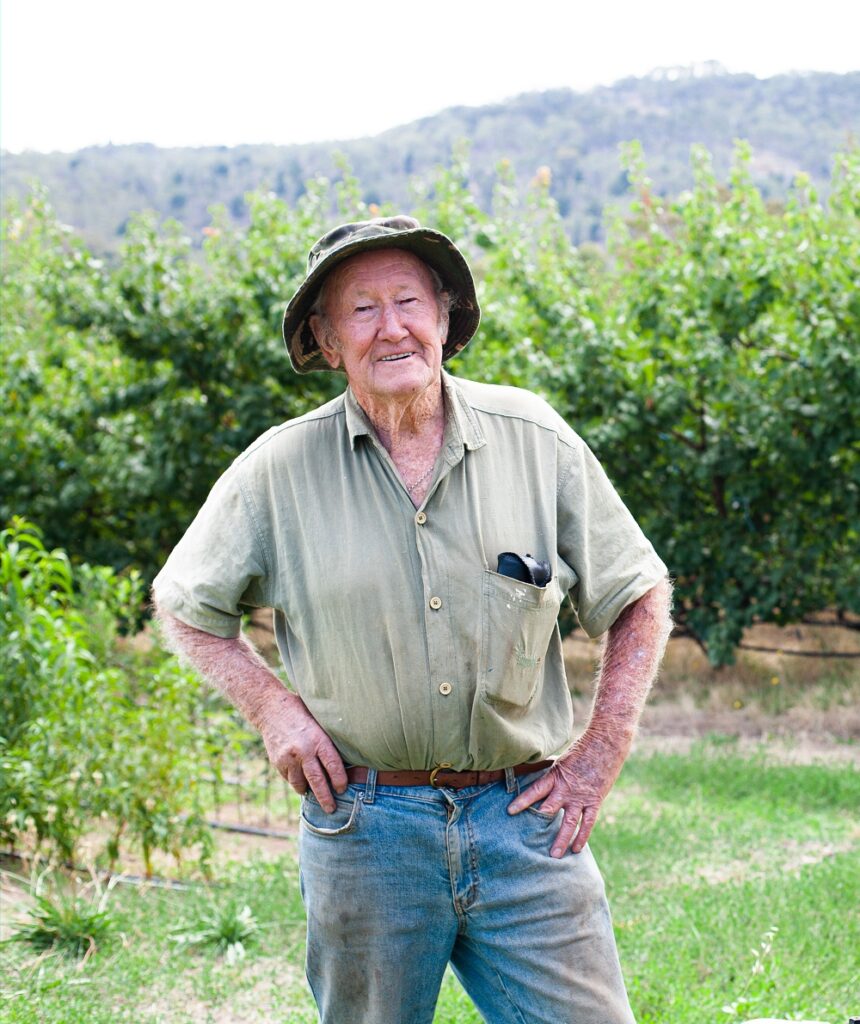
Our last thanks go to Merv Carr (Katie’s Dad). Despite having theoretically retired many years ago, Merv is still the driving force behind our on-farm Carr’s Fruit Tree Nursery (which is named in his honour).
The nursery grows hundreds of trees each year, which are sold to the public in winter. We treasure Merv’s involvement and the chance to learn his fabulous skills.
We also appreciate the fact that he’s tasted a lot of the varieties we’re trying to protect! Pa has been an orchardist his whole life (he went to Burnley Horticultural College in 1953 as a 16-year-old). He’s one of the few people on the planet with direct experience of growing heirloom and heritage varieties, because they were still commonly grown when he was a young farmer.
We’re incredibly grateful to have his input, support, and experience.
The apple list
Without further ado, here’s a list of the varieties in our heritage orchard. New varieties are being planted each year (and the occasional tree dies), so we update it regularly.
We don’t really know how many we’ll end up with, but we enjoy making a different range of heritage apples available each year in our on-farm nursery.
| Fuji |
| Gala |
| Golden Delicious |
| Granny Smith |
| Jonagold |
| Jonathan |
| Pink Lady |
| Red delicious |
| Rosy Glow |
| Snow |
| Sundowner |
| Lady William |
| CIDER APPLE VARIETY |
| Brown Snout |
| Bulmers |
| Chataignier |
| Kingston Black |
| Michelin |
| Yarlington Mill |
| HERITAGE/HEIRLOOM OR UNUSUAL APPLE VARIETY |
| Alexander |
| Andre Sauvage |
| Anna |
| Beauty of Bath |
| Beefsteak |
| Belle de Boskoop |
| Bess Pool |
| Bismarck |
| Blenheim Orange Ex-Normandy = Woodstock Pippin |
| Brabrant Bellefleur |
| Braeburn |
| Bramley |
| Calville Blanc D’Hiver |
| Cleopatra |
| Court Pendu Plat |
| Cox’s Orange Pippin |
| Dabinett |
| Dayton |
| Democrat |
| Dorset Golden |
| Dougherty |
| Dunn’s Seedling |
| Eagle Point Star |
| Ein Shemer |
| Elstar |
| Geeveston Fanny |
| Gravenstein |
| James Grieve |
| Kidd’s Orange Red |
| King David |
| King of Pippins |
| Lord Lambourne |
| Lord Suffield |
| Lovejoy’s Lunch |
| McIntosh |
| Menagerie |
| Monty’s Surprise |
| Mutsu |
| Newton Green Pippin |
| Opalescent |
| Orlean’s Reinette |
| Peasgood Nonesuch |
| Prima |
| Ribston Pippin |
| Rome Beauty |
| Roundway Magnum Bonnum |
| Spartan |
| Spring Grove Codlin |
| Statesman |
| Stayman’s Winesap |
| Stewart’s Seedling |
| Striped Beef |
| Sturmer Pippin |
| Summer Strawberry |
| Tasman Pride |
| Tropic Sweet |
| Tropical Beauty |
| Twenty Ounce |
| Tydeman’s Early |
| Vista Bella |
| Wandin Pride |
| Wild Heather |
| Worcester Pearmain |
Related Articles
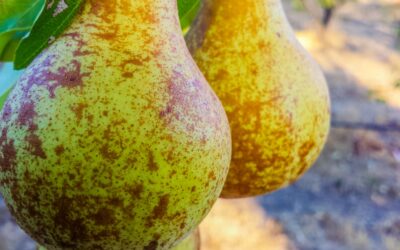
10 excellent reasons to grow pears
Learn how easy it is to grow pears. They’re easy to look after, don’t mind a wet spot in your garden, and are fabulously healthy to eat.
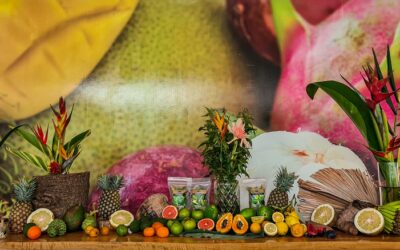
Can you grow tropical fruit at home? Lessons from tropical Fruit World
Join us for a virtual tour of Tropical Fruit World where you can learn about hundreds of fruit varieties, all in one place!
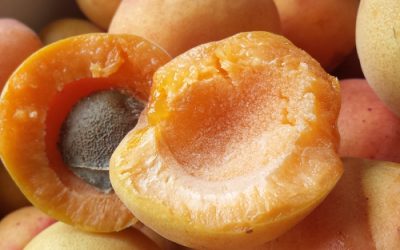
21 varieties of apricot trees: pros and cons
Apricot trees are loved by many people. But what are the pros and cons, and how do you choose one variety over another?
Is it possible to get some scions from the Lord Derby apple? Asking for a friend. Thank you.
Oh and Peasgood Nonsuch too please for another friend. Thanks. Kathy.
Hi Kathy, thanks for your enquiry. Providing scion wood isn’t a service we offer at the moment sorry, but there’s a few good nurseries around who do (in no particular order, and not endorsed by us..just for your info): Werribee Heritage Orchard, The Lost Seed, and Pete the Permie. Best of luck with it!